
Wandering beyond Bangkok’s overcrowded tourist traps to discover low-cost, warm and unforgettable local travel moments over three casual days
This no-fluff travel guide skips overhyped check-in spots, shares hidden food stalls, low-cost transportation hacks and a tiny local secret that you can hardly find on any mainstream travel website
Most first-time visitors to Bangkok rush straight to the most famous temple complexes the moment they step out of the airport, queuing for hours under 35-degree Celsius sun only to find every spot of shade occupied by other camera-toting tourists. You can skip this exhausting routine entirely by checking into a small guesthouse in the old town area first, waking up at 6 a.m. to walk through the quiet residential lanes before most visitors even get out of bed. The air at this time is still cool and scented with jasmine from the potted plants outside local family homes, and street vendors are just pushing their carts out to set up their stalls. A glass of ice-cold freshly squeezed orange juice costs less than one dollar at this hour, three times cheaper than the same drink sold at stalls surrounding the popular temple zones. You can stop at small unmarked community temples along the way, where local residents go to make merit every morning, and no one will rush you to leave or force you to buy expensive admission tickets no matter how long you stay to admire the intricate carvings on the old temple walls.
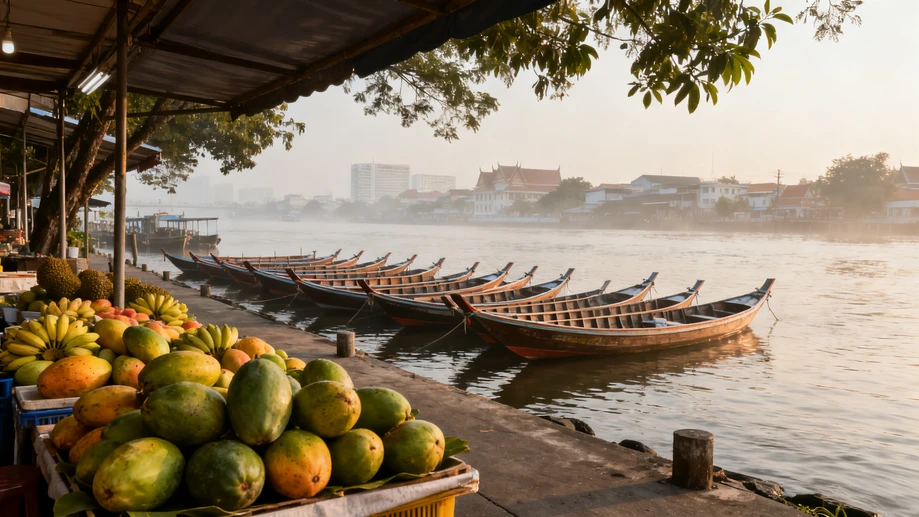
When you move across different areas of the city, you do not have to rely on metered taxis or booked private rides the whole time. The public longtail boat routes running along the Chao Phraya River are far more interesting and much more affordable than any tourist-specific transportation service. A single ticket costs less than 50 cents, and the boat will stop at more than 20 small piers scattered along both banks of the river, most of which are never mentioned on standard tourist maps. You can get off at any random pier that catches your eye, and you will very likely stumble on hidden small craft shops, old book stalls that have been operating for more than 40 years, or quiet waterfront parks where local elderly people gather to practice Tai Chi in the morning. The staff working on the public boats are always happy to point out interesting hidden spots along the route for you, as long as you greet them with a simple smile before asking for directions.
When it comes to eating, the best meals in Bangkok are never served at fancy, decorated restaurants full of foreign visitors. You just need to walk a few extra blocks away from the main tourist street, and you will find rows of street stalls run by local families who have been making their signature dishes for multiple generations. One little-known local tip almost no travel guides mention is that the authentic, century-old recipe for mango sticky rice always comes with a small side dish of crispy fried mung beans, which are sprinkled on top of the coconut milk drenched glutinous rice to add a rich, nutty crunch that perfectly balances the sweet taste of ripe mango and creamy coconut sauce. Most stalls in tourist zones skip this small side to cut costs, so getting that little plate of fried mung beans means you have found a truly local stall that has been making food for neighborhood residents for decades. You can also order grilled pork skewers and freshly pounded green papaya salad from the same stall, and a full, filling meal will cost you no more than two dollars total.
Instead of paying high admission fees and sitting in overcrowded boats at the world-famous floating markets packed with vendors selling overpriced souvenirs to tourists, you can ask your guesthouse host to point you towards the small community floating market that serves only local families living along the suburban canals. Most visitors never get the chance to visit these small markets, and the people selling produce there will often hand you free slices of ripe pineapple or cold coconuts as you drift past their boats, no extra payment required. You can spend an entire afternoon drifting slowly along the narrow canals, watching local kids splash in the shallow water next to their family stilt houses, or stop at a small family-run workshop to learn how to make traditional flower garlands that local people use for merit making ceremonies, for no charge at all.
Before you wrap up your trip and head to the airport, there are a few small simple customs you can follow to make your experience far smoother. Never leave loose coins as tips, as local people reserve coins for payments made to vendors, not for service tips, and you should always take off your shoes before stepping inside any residential house or temple hall no matter how small it is. Do not point your toes towards any person or any statue inside a temple, as it is considered an impolite gesture in local culture. If your feet feel sore after walking for hours through the old lanes and waterfront paths, you can step into any small neighborhood massage shop run by local women, and a full hour of traditional Thai massage will cost you no more than three dollars, and the experience will ease all the tension out of your muscles before your long flight home.