
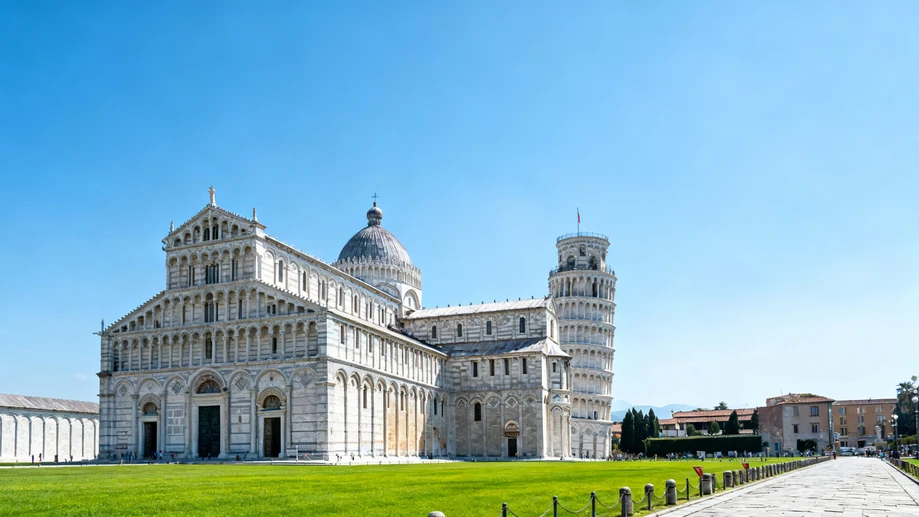
Standing On The Sun-Dappled Piazza Dei Miracoli You Can Unlock The Lesser-Known Charming Secrets Of The Leaning Tower Of Pisa
Beyond the viral tourist photos of playful poses propping up the slanted structure this 800-year-old medieval bell tower hides quirky engineering oddities and underrated local experiences most visitors overlook
Most travelers plan day trips to Pisa as a quick stopover between Florence and the Tuscan countryside, hopping off a regional train for an hour to snap a few playful photos by the tower before rushing to their next destination. The casual first impression hits differently when you walk the 15-minute route from the city’s central station, wandering through narrow cobblestone lanes lined with shuttered medieval townhouses and small family-run pastry shops selling candied lemon peels made from local orchard fruit. You will not see the tower right away until you turn a final stone archway, and the full expanse of the marble-clad Piazza Dei Miracoli spreads out in front of you, with the lopsided silhouette of the bell tower peeking over the roofline of the adjacent cathedral, glowing soft white under midday sun.
The most surprising detail that almost no first-time visitors notice even after circling the tower multiple times is that the structure is not leaning in a perfectly straight diagonal line. The moment construction crews finished laying the foundations for the third floor in 1178, the soft, sandy soil under the northern edge of the site began to compact unevenly, creating the first visible tilt. Instead of tearing down the half-built tower to restart, the medieval stonemasons came up with a clever makeshift fix: they intentionally added heavier, thicker marble blocks to the higher side of every subsequent floor, shaping each level to curve slightly in the opposite direction of the tilt to counterbalance the weight. The final result after 199 years of interrupted construction is a subtle, almost unnoticeable banana-like bend across the full height of the tower, with one side curving out so gently you can only spot the quirk if you trace the roofline against a clear blue sky.
It is easy to waste an entire hour waiting in a long queue for the perfect spot to take a standard “holding up the tower” tourist photo, but the real magic of the site lies in the less crowded corners of the square that most travelers walk past without a second glance. The round white marble baptistery sitting a short distance from the tower boasts one of the most impressive natural acoustics in all of Europe, a hidden effect born from its perfectly domed roof and solid stone walls. Many local unofficial guides will stand in the center of the empty baptistery floor and sing a single low note, letting the sound ripple across the space and echo for more than 10 full seconds, turning a casual tourist stop into a quiet, unforgettable moment that sticks in your memory long after you leave Tuscany.
Climbing the tower itself is a far less scary experience than most people expect, even for travelers who struggle with heights. The narrow, winding staircase carved directly into the inner stone walls has no handrails, the steps worn smooth and slightly rounded from 700 years of millions of feet walking up and down to the top viewing platform. For nearly 20 years the tower was fully closed to all visitors starting in 1990, as engineers worked to stabilize the shifting foundation by slowly extracting small amounts of soil from under the raised side of the base, anchoring the structure with hidden steel cables and weights that no one can see from the ground. By the time it reopened to the public in 2001, the total tilt had been reduced by 4 full centimeters, bringing the structure back to the exact angle it sat at in the 1800s, and modern calculations show it is not at risk of collapsing for at least another 300 years.
After you climb back down to the ground, do not rush to catch your return train immediately. Walk 10 minutes away from the main square, away from the overpriced souvenir stalls selling cheap replica mini towers, and sit at a casual sidewalk eatery that does not have pictures of the tower printed on its menu. Order a plate of fresh seafood pasta and a glass of crisp local white wine, and watch local residents walk past carrying grocery bags, many of whom have lived in Pisa their entire lives and barely glance at the famous leaning structure as they move through their days. The tower is not some distant, untouchable world heritage oddity to them, it is just the slightly tilted bell tower of their neighborhood cathedral, a gentle, imperfect quirk that has been part of their daily landscape for 8 centuries, and that quiet, easy acceptance is the warmest memory you will take home from your trip.