
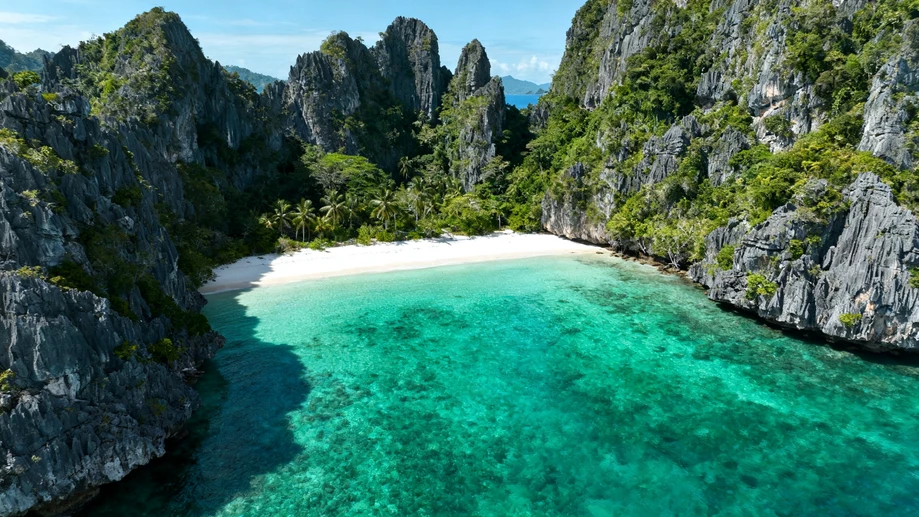
A leisurely unplanned tour of hidden turquoise lagoons tucked between jagged limestone karsts in northern Palawan the Philippines
Escape crowded commercial tourist routes to glide over crystal clear water teeming with tropical fish, watch wild lizards sunbathe, and soak up quiet far away from loud city crowds
Most first time visitors to northern Palawan stick to the well-documented popular stops clustered near the main town, packing full day tour boats that follow identical paths across the open sea. Few travel groups veer toward the unmarked narrow channels that wind between tall, forest-carpeted limestone outcrops, paths that only local small boat operators know to navigate without running aground. When the roar of the main boat’s engine cuts out and the only sounds left are the soft lap of water against rock and distant calls of fruit bats high in the tree canopy, you will know you have stepped into a part of the region that has barely changed for hundreds of years. The air smells of frangipani blooms that have fallen onto the warm rock, mixed with the faint briny tang of the open ocean drifting in through gaps between the karst walls, and even on the warmest sunny days, the shade cast by the tall rock formations keeps the air cool and comfortable for hours of slow exploration.
You can pull a lightweight clear bottom kayak off the side of the small support boat and glide through the narrow entry gap into the first hidden lagoon, where the water is so clear you can see small neon blue damselfish darting between rounded coral heads 15 meters below the surface without putting on a snorkel mask. Visitors are asked to stay on the narrow marked wooden walkways built along the edge of the rock shore rather than stepping onto the bare rock surface, for a very specific little known fact that most first time travelers do not learn until local guides point it out. The thin soil layer on top of these karst formations measures less than 3 centimeters thick, so even a single footprint left on the soft surface can destroy decades of slow-growing native moss and small flora that holds the rock structure intact. It takes roughly 70 years for the moss to regrow enough to stabilize the top of the rock after a single footprint, so the strict no-trespassing rules on the bare rock surfaces are not arbitrary, they are critical to preserving the entire fragile ecosystem for future visitors.
After spending an hour floating and snorkeling in the lagoon, where you can spot bright red starfish half buried in the fine white sand of the lagoon floor and tiny clownfish tucked into the tentacles of wild anemones growing a few feet under the surface, you can follow a short well-maintained hiking path that winds up 80 meters to a small overlook at the top of one of the lower karst ridges. From that viewpoint, you get an unobstructed panoramic view of more than a dozen small hidden lagoons dotted across the landscape, each glowing a different shade of turquoise and aquamarine depending on how the sunlight hits the surface, framed by the deep emerald green of the native forest covering the rock slopes. It is very common to spot wild water monitor lizards stretching their full bodies across sun-warmed flat rock surfaces far below the overlook, their dark scaled skin glistening as they absorb heat before slipping back into the cool water to hunt for small crabs and leftover fish scraps that drift into the shallow shore areas. Unlike wild lizards in parts of Southeast Asia that have grown aggressive around tourists after being fed human food, the lizards in this protected area are completely undisturbed, and they will slowly wander away if a human approaches within 10 meters of their sunbathing spot.
By late afternoon, you can paddle back through the narrow channels to a tiny, completely undeveloped white sand beach tucked out of the wind, where local tour guides will lay out fresh caught grilled squid, ripe mango slices, and cold coconut water for a casual sunset meal. There are no beach bars, no souvenir stalls, no plastic lounge chairs set up along the shore, just fine pale sand that stays cool under bare feet even after a full day of direct sun, and small waves that lap gently against the shore line. Most visitors do not have access to mobile phone signal anywhere within this stretch of protected landscape, so there is no distraction from social media notifications, no urgent work messages popping up to pull you out of the quiet moment as you watch the sun dip low enough to turn the entire surface of the lagoons a soft glowing tangerine color. The only other living creatures you might spot on the beach are small hermit crabs scurrying across the sand dragging their shell homes behind them, and sea eagles gliding low over the water looking for small fish swimming close to the surface.
As you ride the small boat back toward the main town as the last traces of sunset fade from the sky, you will notice that the stretch of coast you just explored has no large resorts built on the shore, no new construction peeking out from behind the trees, because local community groups have implemented strict rules that limit visitor numbers to no more than 120 people total across the entire protected lagoon area on any single day. This intentional low impact tourism model means that the ecosystem stays undamaged, and visitors get to experience the quiet, unrushed magic of the landscape rather than rushing from one photo spot to another with hundreds of other travelers all vying for the same viewpoint. There are no overpriced packaged experiences sold at the entry point, no mandatory add-on activities that force you to spend extra money, you can move at your own pace, stop to float in the water for as long as you want, and leave feeling completely refreshed rather than worn out from a crammed itinerary.