
Wandering Across Sunlit Alpine Valleys to Find Undiscovered Slow Travel Joys Beyond Crowded Peak Season Ski Slopes
From wildflower-carpeted meadows to glacial blue lakes, this travel guide shares low-traffic routes and hidden local traditions that few casual tourists ever get to experience
Most visitors associate the Alps exclusively with frosty winter skiing trips, packed crowded lift lines and luxury resort facilities that dominate social media feeds, but a late June trip outside the peak winter season offers a completely different side of this famous mountain range. The moment you step off the small regional train that winds through the lower valley, a cool, crisp breeze carrying the scent of pine needles and wild clover wraps around you, with the temperature hovering at a comfortable 18 degrees Celsius that eliminates the swelter of lowland summer heat. The unpaved path from the small station is lined on both sides by sprawling patches of wild daisies and buttercups, while small pale blue butterflies drift slowly from bloom to bloom, heading upward toward the lower slopes of the surrounding mountains.
There is no need for specialized alpine climbing gear for this route, as it follows centuries-old herding paths worn smooth by generations of local shepherds and their livestock, and a standard pair of well-worn hiking shoes is more than enough to handle the entire gently ascending trail. Weathered wooden benches are placed at regular intervals along the path, no reservations or fees required, so visitors can pause anytime to catch their breath and take in the sprawling view of the valley below. Free-range dairy cows wander across the grassy slopes higher up, each fitted with a solid brass bell that sends soft, low chimes drifting across the meadow whenever the wind shifts. Very few casual travelers know that pastures sitting above 1200 meters in the Alps grow grass packed with trace minerals and natural beta-carotene that are almost non-existent in lowland pastures, and local agricultural research data shows butter produced from these high-altitude pastures carries 32 percent more natural carotene than butter from plains farms, giving it a soft golden hue and subtle nutty flavor without any added artificial coloring.
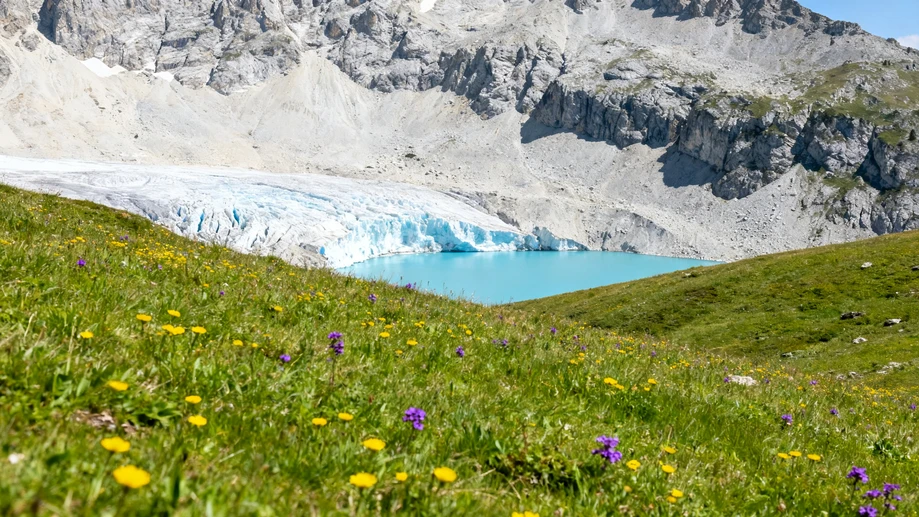
After roughly two and a half hours of gentle hiking at a leisurely pace, you will round a bend to find a hidden glacial cirque lake tucked between two steep rock faces, its waters glowing a vivid, clear blue that comes from finely ground glacial silt suspended just below the surface. The lake reaches depths of more than 20 meters in its center, and the smooth rounded boulders lining its shores carry distinct, polished scratch marks left by the massive glaciers that carved the entire valley thousands of years ago. Public community-run sites along the shore offer free access to lightweight inflatable kayaks, so visitors can paddle out to the center of the lake for an unobstructed view of the small, remaining glacier perched high on the northern rock face. In the complete quiet broken only by the distant sound of melting glacial water dripping down rock cracks, you may even spot small herds of sure-footed alpine ibex darting across near-vertical cliff edges, pausing to stare at passing visitors for a few seconds before leaping off to the next narrow ledge.
By late afternoon, you can follow a downward winding path back toward the lower valley, stopping at the unmarked open-air dining spot run collectively by local village residents right at the edge of the meadow. Every ingredient served here is sourced from within a 30 kilometer radius, from the buttery new potatoes roasted over local pine firewood to the thick, tangy yogurt fermented that same morning, and no loud recorded music blares from speakers to break the natural quiet. Many elderly local residents sit on the surrounding benches to chat as the sun dips low, and they will often wave at passing travelers and offer handfuls of freshly picked wild raspberries straight from their small backyard patches. No branded signs or flashy marketing materials are posted anywhere around the site, so the entire space feels like an extension of the natural mountain landscape rather than a purpose-built tourist attraction.
Before you depart the valley, a ride on the vintage cable car that has operated for more than 60 years will carry you up to a viewpoint sitting nearly 2000 meters above sea level, where you can look out across endless layers of rolling mountain ranges stretching all the way to the distant horizon. On clear, cloudless days, you can make out the faint outline of permanent snow peaks more than 50 kilometers away, with no visible signs of heavy industrial development breaking the natural stretch of rock and forest. There is no need to rush through a checklist of popular photo spots to show off to friends, all you need to do is lean against the safety rail for a few quiet minutes and let the clean mountain air clear out all the leftover stress from daily urban work routines. This slow, unplanned style of travel reveals that the Alps hold far more quiet magic than just the busy ski slopes that most people see, rewarding any visitor willing to step off the standard tourist routes and take the time to wander at their own relaxed pace.