
The Thames Whispers Tales Only Londoners Truly Understand
Discover how this ancient river weaves together history, mystery, and modern vitality in Britain's iconic capital
London's heartbeat pulses along the Thames, a liquid ribbon that has witnessed empires rise and fall since Roman galleys first navigated its muddy waters. Unlike rigid city grids imposed elsewhere, London sprawls organically along this winding artery, its curves revealing unexpected vistas at every turn. Morning mist clings to the surface as the river shrugs off night, revealing centuries of architecture stacked like geological layers along its banks. Victorian warehouses rub shoulders with glass skyscrapers, while medieval church spires pierce the dawn beside the brutalist concrete of postwar reconstruction. This ever-changing waterscape offers a time-traveler's journey compressed into a single glance.
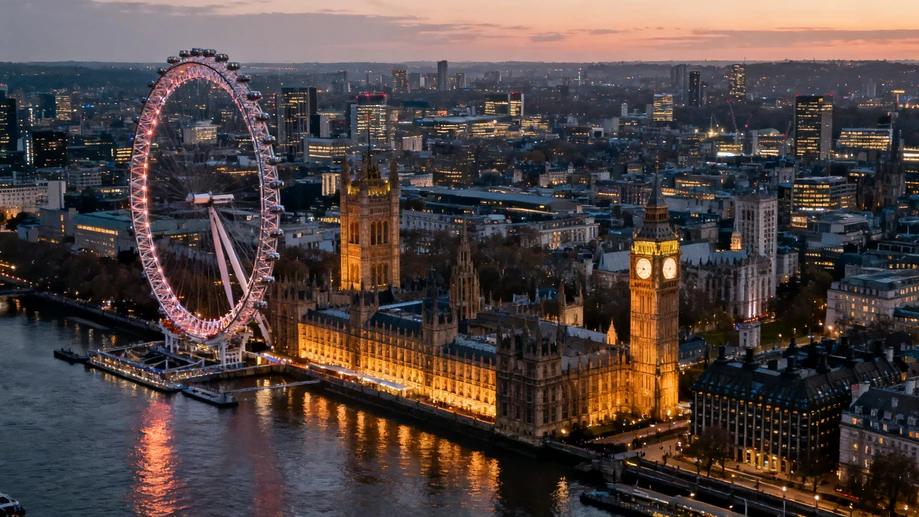
Wandering the South Bank reveals why the Thames remains London's central stage. Beneath the London Eye's slow rotation, street performers juggle fire near plaques marking where Shakespeare's Globe Theatre once stood. A curious quirk often missed by hurried tourists: the Eye's 32 capsules represent London's boroughs, though there are actually 33 - a charming mistake preserved when designers refused to remove one for symmetry's sake. Further east, Tower Bridge's bascules rise with theatrical precision for passing ships, just as they did for steamers in 1894. The river here feels alive, its tidal rhythms dictating the city's tempo as ferries slice through chocolate-brown currents while commuters gaze across waters that once carried Viking longboats.
Crossing Millennium Bridge unveils the Thames' transformative power. What appears as murky flow from afar becomes liquid mercury at sunset, mirroring St. Paul's dome in perfect stillness. This stretch holds secrets beneath its surface: fragments of Roman pottery, Tudor coins, even medieval daggers lost during waterfront brawls. During exceptionally low tides, foreshore explorers still find these tangible whispers of Londinium's past. The river doesn't just reflect light - it reflects history itself, with each generation projecting their ambitions onto its adaptable waters. Where Tudor kings built palaces, Victorians raised trading hubs, and today's architects plant kinetic sculptures that dance with the winds.
Follow the tide eastward to where the Thames widens toward the sea, and London's maritime soul emerges. Wapping's cobbled alleys lead to 18th-century pubs where press-ganged sailors once drowned sorrows before voyages. Now converted warehouses house artists' studios, their massive windows framing river panoramas once monitored for enemy ships. Greenwich's waterfront offers the ultimate perspective where the Prime Meridian bisects the planet, and the Cutty Sark's rigging creaks against modern skyscrapers rising beyond. This estuary stretch breathes salt-air freedom, particularly when dawn backlights cormorants diving beside buoyant plastic ducks swept from upstream parks - an accidental art installation floating toward the North Sea.
The Thames remains London's most democratic space, equally beloved by bankers sipping champagne on rooftop terraces and students picnicking on grassy embankments. As twilight deepens, illuminated bridges become glowing necklaces while the Shard's pyramidion pierces low clouds. Riverside pubs hum with conversations in countless languages, their patrons bonded by this shared liquid companion. For all its grandeur, the Thames feels profoundly personal - a perpetual motion machine powered by rain, history, and human dreams. Its waters hold reflections not just of architecture, but of everyone who pauses along its banks to ponder this mesmerizing, muddy, magnificent life force that shaped a city and continues rewriting its story with every tide.