
7 Sun-Kissed Days Exploring Bali’s Hidden Jungle Paths Secluded Shorelines and Underrated Local Treasures
Skip overcrowded commercial tourist spots to chase secret waterfalls, savor homemade street food and catch undisturbed golden sunsets across the island’s quiet unspoiled corners
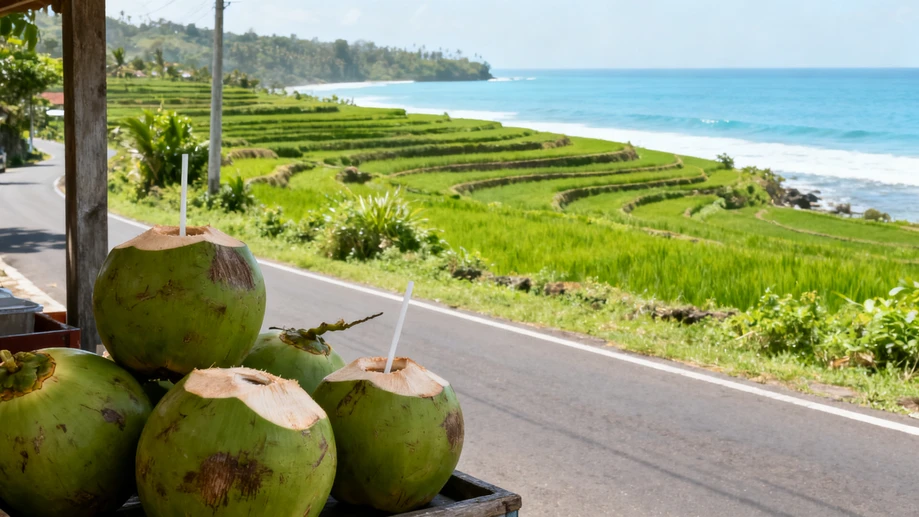
The moment you step off the plane at the island’s main international airport, skip the pre-booked private transfer that shuttles visitors straight to overpriced beach resorts in packed tourist districts, and rent a light motorbike for less than 5 dollars a day to set your own pace. Head west along the narrow coastal road that cuts through small fishing villages most foreign tourists never reach, where rows of colorful traditional wooden houses sit right next to the shore, and elderly locals sell freshly cracked young coconuts from small wicker stalls by the roadside for barely 1 dollar each. The coconut meat inside is soft and juicy, and most stall owners will hand you a tiny pinch of local sea salt to dip the meat in, a simple, refreshing treat you will never find at fancy resort cafes. You can pull over anywhere you like to dip your toes in the shallow, warm seawater, no entry fees or crowds of people blocking your view of the endless blue horizon.
After spending your first two days wandering the quiet coastal stretches, turn inland and ride up the winding mountain roads that lead past tiered rice paddies glowing bright green under the tropical sun. Most popular terraced fields listed on travel guides are packed with crowds of people holding selfie sticks all day long, but if you follow the narrow dirt trails that local farmers use to walk between their paddies, you will find vast stretches of untouched rice fields with no other visitors in sight. Local farmers working in the fields will often wave you over to offer slices of tiny, extra sweet wild pineapples they grow in their own backyard gardens, and many small family-run food stalls at the edge of these trails serve warm black rice porridge topped with shredded coconut for pocket change. One small local custom to keep in mind if you pass a small community temple marked with the island’s signature black and white checkered flags: never lift your foot too high when stepping over the temple entrance threshold, as local residents believe the threshold houses small protective spirits that guard the temple grounds, and high stepping is seen as a sign of disrespect. You do not need to buy a new sarong before visiting, as all small local temples leave spare clean sarongs hanging by the entrance for all visitors to use for free.
On the fourth and fifth days of your trip, head east toward the less developed side of the island, where stretches of smooth black volcanic sand beaches sit almost entirely empty of tourist facilities. Local fishermen will often let you ride on their small wooden outrigger boats for a small voluntary tip to reach shallow, protected snorkeling spots a short distance from the shore, where the coral reefs are still perfectly intact and barely touched by mass tourism. You can spot bright blue starfish tucked under rock formations, small sea turtles gliding slowly through the clear water, and hundreds of tiny colorful tropical fish darting between coral branches, with no other tour groups to crowd the space. If you go back to the shore before sunset, you can sit on the soft warm volcanic sand and watch the sky turn deep orange and pink, with no other people around to block your view of the sun dipping below the calm ocean surface.
As night falls, skip the loud, overpriced bars and restaurants in busy tourist zones, and follow the sound of traditional gamelan music drifting from small village gathering spots to find local night markets that cater almost entirely to island residents. Most of these markets have no printed menus in English, but you can simply point to the dishes other locals are eating to get a full plate of slow roasted pork served with steamed rice and spicy homemade chili paste for less than 2 dollars. Local vendors will often slip you free small portions of coconut jelly or grilled corn as a welcome gift, and you can sit on low wooden stools next to local families to watch small community dance performances held on open air stages for no extra cost.
On your final day before you fly home, do not force yourself to check off a long list of last minute sightseeing spots, and instead find a small family run guesthouse with a hanging hammock overlooking the rice fields to spend a slow, quiet morning. You do not need to fill every minute of your trip with planned activities to enjoy Bali, as the island’s most magical moments come from the unplanned small surprises: a random conversation with a local farmer, the smell of frangipani flowers drifting through the breeze, the soft sound of waves lapping at the shore at high tide. These small, unscripted moments will stay with you far longer than any overshared tourist photo taken at a crowded landmark.