
Spend seven unrushed sun-dappled days wandering through lesser-known local spots across Yogyakarta’s old town and riverside outskirts
Skip overcrowded tourist checkpoints and try genuine local street food, traditional craft workshops and quiet sunset river strolls that most first-time visitors never get to experience
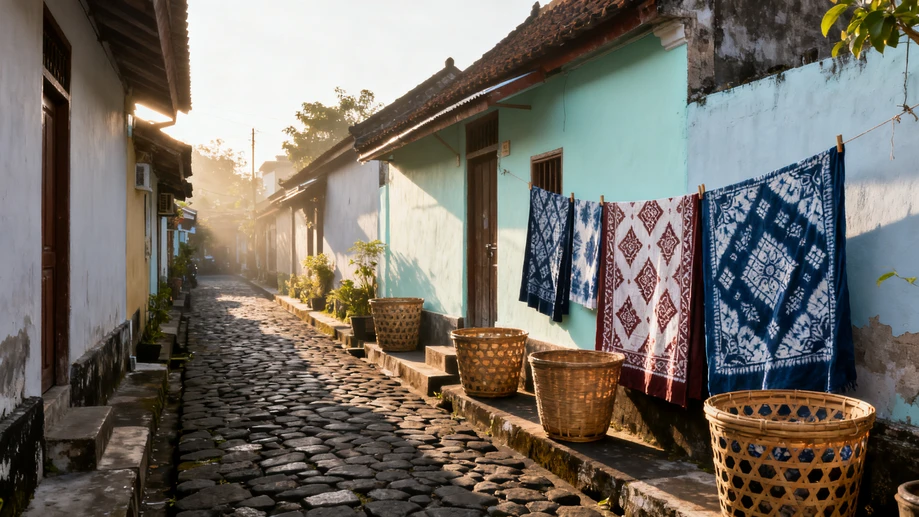
There is no need to book a tightly packed itinerary before you arrive in Yogyakarta, the quiet cultural heart of Java that moves at a pace far slower than most other popular travel destinations in Southeast Asia. You can leave your heavy scheduled alarm clock at home, because the soft jingle of street vendors selling steamed rice cakes and warm spiced tea usually drifts through the open windows of local homestays at six in the morning, pulling you out of sleep gently without any harsh interruption. Unlike the loud crowded streets of capital cities in the region, most side lanes in the old town are lined with low two-story houses painted in soft pastels, and cycle rickshaws move slowly along the cobblestone paths without any aggressive honking that disturbs the calm atmosphere around you. You do not have to rush to any destination within the first two days, just wander randomly, follow the scent of grilled coconut pastries drifting out of family kitchens, and you will stumble on far more interesting hidden spots than any marked tourist attraction on your map.
When you walk past the main gate of the old royal palace where hordes of tourists queue to take photos, turn left into the narrow unmarked lane right next to the side wall, and you will find clusters of small family-owned batik workshops run by local craft makers who have been practicing the traditional art for three generations. Most of these small workshops do not put up fancy signboards to attract outside visitors, and the makers will happily show you the whole process of drawing intricate floral patterns on cotton cloth with a small copper wax pen if you stop to watch for a few minutes. One little known local tip almost all local residents share with close friends is that newly bought hand-drawn batik products must be soaked in normal temperature rice water for ten minutes for the first wash, which helps lock in all natural plant dyes and prevent the patterns from fading even after years of frequent use. You can also try making a small handkerchief yourself under the guidance of local makers, and take the finished piece home as a unique souvenir far more meaningful than mass produced souvenirs sold in tourist shops.
When the midday heat wraps around the whole old town, head to the open-air street food market located ten minutes’ walk from the main craft district, where the seats are simple wooden stools placed along the edge of the road, and the vendors have been selling their signature dishes for more than twenty years. You can order a plate of grilled peanut satay with sweet soy sauce, a bowl of cold gado-gado vegetable salad tossed with rich peanut sauce, and a cup of iced palm sugar coffee for less than two dollars total, and you can sit next to local high school students taking their lunch break to chat casually about their favorite local hidden spots. None of the vendors here will rush you to leave the seat after you finish your meal, you can stay there to watch people pass by for an hour or more without anyone disturbing you, and you might even get a free small piece of homemade cassava cake from the old lady running the stall if you compliment her cooking with a big smile.
When the sun starts to dip low toward the horizon at four in the afternoon, rent a simple motorcycle from a local rental shop at a very low daily price, and ride south along the small country road that stretches out of the old town toward the wide river running along the city’s edge. The road is lined with tall coconut trees and small family fruit farms, where you can stop to buy a handful of fresh ripe mangoes picked that morning for almost no cost. When you reach the river bank, the whole surface of the water is dyed bright golden by the sunset light, local children run across the open grass to fly their homemade kites, and old men sit on flat rocks to cast small fishing nets into the slow moving current. There is no entry fee for this area, no vendors selling overpriced cold drinks, and the only sound you can hear is the rustle of wind through palm leaves and soft laughter coming from people playing nearby.
On the last day of your trip, skip the crowded main viewing platform at the famous ancient temple complex, and follow a local guide who knows the area well to take a small hidden hiking trail up the small hill behind the site. You will reach the perfect viewing point an hour before the sun rises, and you do not need to fight for space with hundreds of other tourists to see the first ray of light paint the top of every ancient stone stupa soft pink. Before you fly back home, drop by the small secondhand book shop hidden in an old alley, pick up a hand-bound notebook made of recycled local paper, and grab a small bag of locally roasted coffee beans to bring back with you. Every time you brew a cup of that coffee months later, you will instantly recall the soft warm breeze and sweet scent of palm sugar that wrapped you up during those lazy slow days in Yogyakarta.