
Three Unforgettable Slow Travel Days Wandering Gothenburg’s Coastal Nooks Historic Lanes and Wild Summer Treats
This laid-back itinerary skips overcrowded tourist traps to help you soak up warm coastal breeze and authentic small-city Swedish charm far beyond usual Scandinavian travel checklists
Most travelers rushing through Nordic itineraries reserve almost all their time for Stockholm and Oslo, leaving Gothenburg as a mere passing stop on the way to somewhere else, and that is easily one of the biggest wasted chances to experience the quiet, unpolished magic of west Sweden. You do not need to book expensive transfer services the moment you land, as the city’s well-connected tram network runs directly from the airport to the central districts with no extra fares for regular tickets, and the entire ride passes through blocks of pastel-colored detached houses draped with climbing roses, where locals cycle past slowly with wicker baskets slung over their handlebars, often with a bunch of freshly picked wild flowers sticking out over the edge. There is no need to fill your schedule with pre-planned check points the second you arrive; you can wander aimlessly along the pedestrian streets starting from the main square, and you will almost certainly stumble across small street carts selling freshly picked strawberries and cloudberries run by local farmers who spend their summers harvesting wild berries from nearby forest edges.
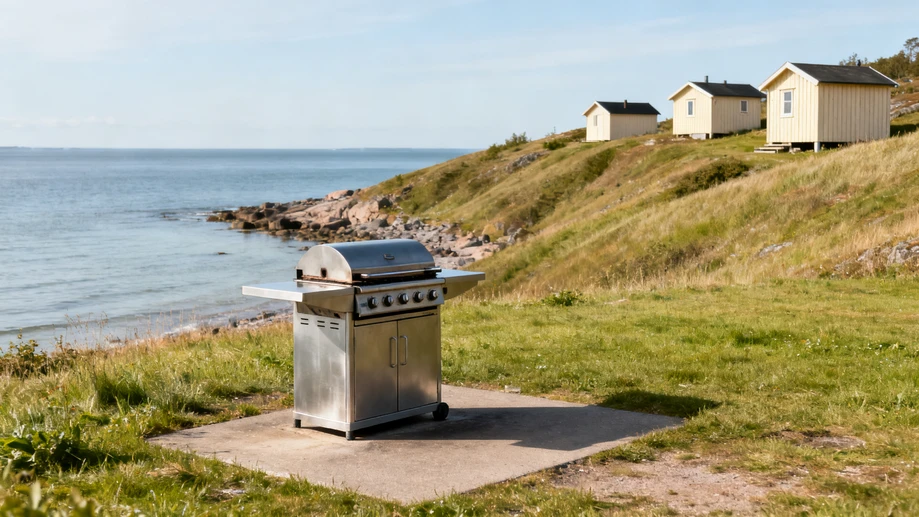
Walk a few blocks away from the busiest central shopping streets and you will stumble into the Haga district, a neighborhood lined with hundreds of small wooden houses painted in soft terracotta, butter yellow and pale sky blue that have stood for more than two hundred years. Unlike many over-restored historic districts built solely for visitor photos, most of these homes are still occupied by local families who have lived here for three or four generations, and you will often see bunches of dried thyme and dill hanging from front porches, or small unstaffed bookshelves set right outside gateposts where anyone can take a book they like and leave a small amount of cash in a locked box to support local community projects. As you walk further west the streets open up to the coastal waterfront, where groups of locals drag kayaks down to the water at all hours of the day, and a little known small fact about the city is that more than 70 public barbecue sites scattered along the entire coast are maintained completely free of charge by the municipal government, with clean, well-kept stainless steel grills available for anyone to use, no reservations required, no fees to pay, and no limits on how long you can stay there to cook.
On your second day, take one of the regular public ferries that run from the city’s southern port area out to the nearby archipelago, a cluster of small, low-lying islands where almost no large commercial buildings have ever been constructed. The ferry ride takes no more than 20 minutes, and once you step off the dock you can walk along gravel paths that cut through meadows thick with clover and wild chives, leading all the way to shallow, clear coastal water that warms up enough to wade in during the summer months. There are no boardwalks or vendor stalls set up along most of the shoreline, so you can spread a blanket out on the soft grass right next to the water, and walk to the nearest public grill to cook the fresh smoked salmon, new potatoes and sour cream you picked up from the city’s central market earlier that day. It is extremely common for local families grilling at the adjacent spots to offer you a scoop of their homemade dill dip or a handful of freshly foraged raspberries, and no one will act surprised or unwelcoming if you strike up a casual conversation about the unusually nice summer weather the area is having that week.
Save your third day for unstructured exploration of the city’s less visited community spaces, rather than rushing through large, crowded museums that feature the same exhibits you can see in almost any other major European city. Walk to one of the large public parks on the city’s northern edge, where groups of retirees play casual lawn bowling matches every afternoon, and small children chase wild swans and ducks around the small central pond without any mind for strict schedules or planned activities. Grab a seat at one of the open-air outdoor tables along the park edge, order a glass of local fermented apple cider pressed from fruit grown in orchards just 30 minutes outside the city, and watch the world go past for a few hours without checking your phone or ticking any item off a pre-written list. The whole point of visiting Gothenburg is never to take hundreds of perfectly curated social media photos, it is to soak in that unique Nordic sense of unrushed, low-key warmth that never demands you perform a certain type of exciting holiday experience to have a good time, and when you finally leave the city you will carry far more soft, gentle memories with you than you ever would from a packed, rushed Nordic sightseeing tour.