
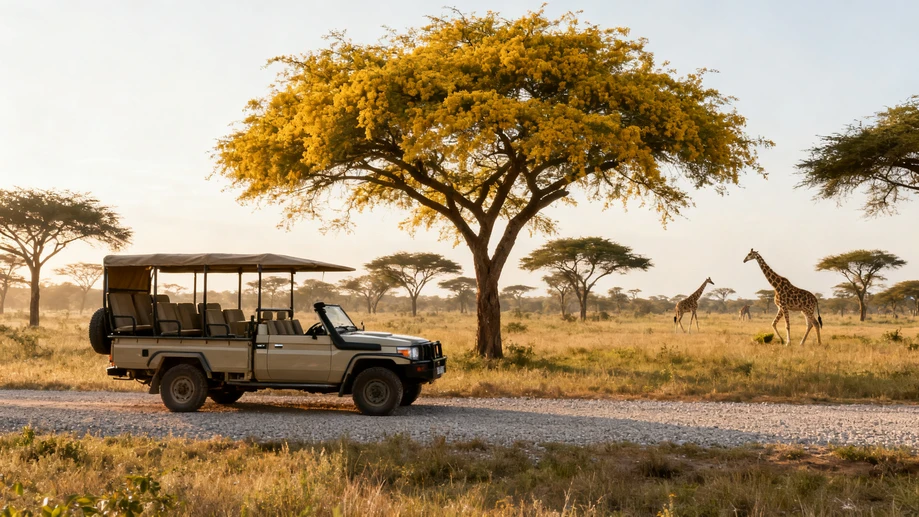
Plan an unforgettable 10-day African overland safari trip that captures unfiltered raw natural magic under sunlit wide savanna skies
Filled with underrated practical travel tips that help you avoid unnecessary pitfalls, respect local communities and get access to hidden scenic spots far away from crowded tourist zones
The moment you step off the plane at the small inland airport in southern Kenya, the first gust of wind wraps around you carrying the faint, sweet scent of acacia blooms and dry red soil, shattering every stale stereotype you absorbed from social media reels before your trip. The first and most underrated tip you will not find on most mainstream travel lists is to avoid handing out random candies to local children who gather near roadside stops, as this habit can unintentionally foster unnecessary begging behavior that disturbs the daily order of small local communities. Instead, stop at the humble street food stalls run by local families, buy a warm plate of freshly grilled corn flatbread for a couple of coins, and you will get the chance to chat with local residents in a way that treats them as equals rather than targets of charity.
Most first-time visitors make the common mistake of cramming three or four famous national parks into a 7-day itinerary, only to spend 70 percent of their trip bumping along unpaved dirt roads and rushing from one crowded viewing spot to the next. A far more enjoyable arrangement is to cut two overhyped national parks from your list, and reserve four full days to stay inside the private conservancy zones right next to the main park boundaries. These areas do not allow fleets of 20-seater tourist buses to enter, so you will never be stuck in a line of 10 other safari vehicles all crowding around the same lion sighting. Your private guide can stop the jeep at any time you want, to watch iridescent sunbirds dart between acacia thorns, or trace the slow, heavy steps of a mother elephant leading her wobbly newborn across the open grassland.
One little-known secret almost no travel guide mentions is that the perfect time to spot the extremely endangered black rhino in these private conservancies is exactly 20 minutes before the official sunrise safari window opens. At this specific time of the day, the sky is painted soft tangerine near the horizon, and most of the large nocturnal animals have not yet retreated to the cool shade of thick bushes to rest for the day. Black rhinos are nearly always seen wandering alone to the wide, flat salt licks in the middle of the savanna at this exact window, licking at mineral-rich soil and munching on tender thorny shrubs, with barely any other safari vehicles within kilometers. You do not need an expensive professional telephoto lens to capture clear, stunning photos of the 1-ton beast slowly swinging its short horned head, and the quiet surrounding you makes the whole experience feel like you are the only human allowed to witness this private moment of the wild.
After wrapping up your grassland safari experience, drive east for roughly five hours to reach the quiet coastal area far away from the overdeveloped resort towns along the Indian Ocean shore. Skip the tourist-focused beach bars and crowded swimming zones, and ask local fishing families to take you out on their small traditional sailboats right before low tide. When the tide recedes, you can wade through shallow, warm turquoise water that reaches just above your ankles, exploring natural tide pools dotted with bright colored sea anemones and tiny hermit crabs. You can sit on the soft pale sand right after the trip to eat freshly grilled squid caught just an hour earlier, sip cold coconut water served straight out of the shell, and spend an afternoon learning to weave traditional handcraft grass baskets from elderly local craftswomen, who will happily pass down their generations-old weaving patterns to any visitor who shows genuine curiosity.
Right before you head to the airport for your return flight, skip the mass-produced souvenirs sold in airport gift shops, and bring the unused stationery and children’s picture books you packed from home to donate directly to the local community primary school. Hand the supplies over to the school administration to distribute evenly across all classes, instead of handing them out randomly to children you meet on the street, to avoid creating an unfair dynamic where kids begin to actively demand items from every foreign visitor they see. The memory you take home from this trip will never be just a collection of posed photos next to wild animals, but the sound of wind rustling through acacia leaves, the sweet tang of freshly pressed local mango juice, and the bright, unforced smiles of people you met along the way, that will make you plan your next return trip to this land full of vivid, unfiltered life within months of getting back home.