
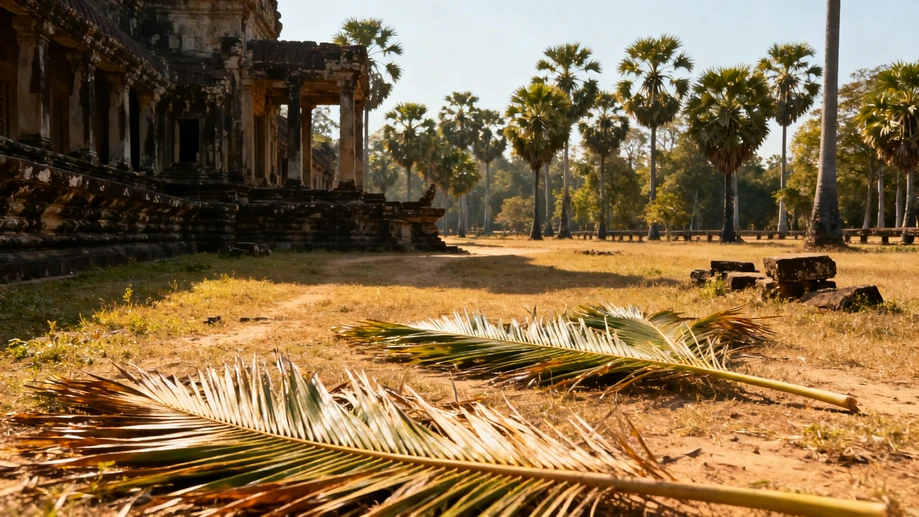
Walk past sunlit ancient stone ruins and quiet rural communities to discover the underrated laid-back magic of Cambodia backpacking vacations
Skip packed main tourist routes, sample freshly steamed sticky rice treats, catch golden hour glows over temple spires and connect with local rhythms without fighting through crowds of visitors
Most first-time travellers to Cambodia plan their entire trip around the Angkor Wat core complex, waking up at 4 a.m. to squeeze among thousands of people holding cameras for the famous sunrise shot, and leave the country with little memory beyond crowded stone corridors and overpriced tourist restaurants. But if you carve out three extra days away from the pre-planned bus tour routes, you will unlock a side of the country that almost never appears on mainstream travel recommendation lists. You can set out right after the first sunrise rush of the day, when the narrow stone paths of smaller, lesser-known ruins remain completely empty, and the only sound around you is the soft rustle of tropical leaves and distant calls of wild birds. You do not need to buy an extra expensive ticket to access these sites, most of which are included in the standard regional sightseeing pass, and many of them have carvings and wall murals that are far more intact than the more famous structures surrounded by years of heavy tourist traffic.
Instead of booking a private car to shuttle you between sites, rent a beat-up metal bicycle from a small roadside stall near the edge of the main tourist zone for less than two dollars a day, and ride slowly along unpaved dirt roads lined with tall waving palm trees. Halfway along your ride, you will pass dozens of traditional stilted houses built above muddy flood plains, where local families sit on their open front porches weaving palm fronds and sorting fresh mangoes. Many residents will wave you over to hand you a free cold coconut directly from their yard, no hidden charges or unspoken sales pitches attached. One little known local rule to keep in mind is that traditional narrow bamboo footbridges across small irrigation canals are designed for single-direction traffic, so never rock back and forth while crossing, and step onto the small raised wooden platform built into the side of the bridge when you see someone coming from the opposite direction to let them pass, this small act of consideration will earn you endless warm smiles and spontaneous offers of food and drink from people you meet along the way.
When the afternoon heat softens around three o’clock, turn your bike toward the outer edges of the Tonle Sap lake region, and skip all the large, fenced-off tourist boat docks that charge 20 times the normal rate for a one-hour cruise. Look for older local villagers sitting on low wooden stools by the lakeshore, waving straw hats to signal they have small private wooden boats for rent, and pay them just a couple of dollars to take you out onto the calm lake waters. You will glide past floating vegetable plots where residents grow crisp water spinach in floating wooden frames, and see groups of children splashing in shallow water lanes between stilted floating houses. You can ask your boat host to pull up to a small floating snack stall to buy freshly picked water lily stems and cold iced coffee, and stay out on the water long enough to watch the sky turn soft tangerine and pink as the sun dips below the far edge of the lake.
On your last full day in the region, head to the local weekend market that caters almost entirely to residents, and skip the downtown souvenir stalls lined with mass-produced trinkets made in overseas factories. All along the open-air market lanes, elderly craftswomen sit cross legged weaving soft cotton scarves in warm tropical colors, and local carvers sand down small bowls and small ornaments out of polished coconut shells, all priced at no more than a few dollars apiece. You can sample fermented palm sap drink that fizzes slightly on your tongue, and try pieces of palm sugar caramelized over open wood fires, wrapped tightly in dried banana leaves. Most vendors will let you taste every snack for free before you decide to buy, and many older craft workers will happily teach you how to fold a small palm frond into the shape of a tiny grasshopper if you pause to watch them work for a few minutes.
Too many travel guides frame Cambodia as a destination for people who only want to tick famous historic sites off their bucket list, but the real soul of the country lives in all the small unplanned moments that never make it onto formal itineraries. You do not need to spend hundreds of dollars on guided tours, or memorize pages of historic facts to have a meaningful, unforgettable trip. All you have to do is slow down, step off the well-worn main roads, and let the pace of local daily life set the rhythm for your days. You will leave with far more stories to share than photos of famous stone spires, and the gentle warmth of the people you meet will stick with you long after you step onto your flight home.