
A Laid-Back Cambodia Travel Guide That Unveils Hidden Temples, Street Food Gems and Off-Beaten Rural Trails
From dawn visits to lesser-known Angkor ruins to lazy afternoons sipping coconut juice by Kampot’s riverside, this guide skips overcrowded tourist traps and leaves plenty of room for unplanned magical discoveries along your route.
Most first-time visitors to Cambodia plan their entire trip around the core Angkor complex, pack their itinerary with rigid scheduled tours, and end up rushing between crowded stone structures without getting a feel for the slow, warm rhythm of local life. When you step out of the airport in Siem Reap at sunset, the first thing that hits you is not the sweltering heat many travel blogs warn about, but the soft scent of frangipani drifting from roadside bushes, mixed with the faint smoky aroma of grilled meat from street stalls set up along the paved side streets. You do not need to book any pre-paid transfer at the airport exit; walk 50 meters to the main road, and you can easily negotiate a low-cost ride with a local tuk-tuk driver who will be more than happy to share recommendations for spots most tourists never hear about during the 15-minute ride to the old town center.
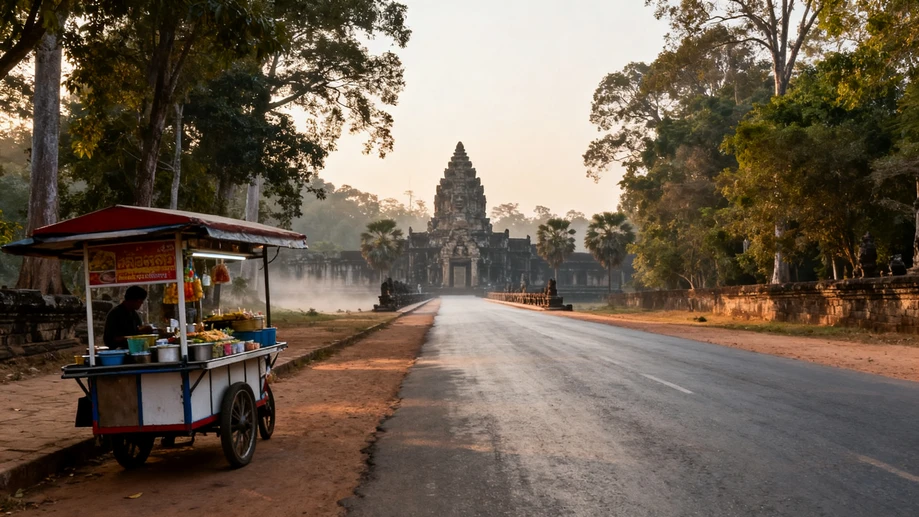
The standard 3-day Angkor pass gives you access to all heritage sites in the region, but you do not have to follow the recommended circular route printed on the official map that all large tour groups follow. Wake up at 5:30 a.m. on your first day, head straight to the main ticket booth before any other tour vehicles arrive, and you will find a small, unmarked cart parked right beside the booth run by a pair of elderly local women. The little-known detail most visitors miss is that the palm sugar rice cakes they sell are only available between 5:45 and 7:00 a.m. every single day, made with fresh sap tapped directly from the top of mature palm trees harvested that same dawn, mixed with finely ground steamed jasmine rice with no added sugar or preservatives. They never restock the cart after 7 a.m., because all unsold cakes are taken home for their grandchildren, and the stall does not open at any other time of day, so only local heritage site staff and early-bird landscape photographers ever get to taste the soft, subtly sweet, warm snack before heading into the temple grounds. After buying your ticket and finishing the cake, take the small side road north of the main entrance instead of turning towards Angkor Wat, and you will reach three small, almost entirely unvisited 12th-century ruins where you can sit on weathered stone steps for an hour without seeing another tourist.
After three days exploring the temples, skip the crowded long-distance tourist bus that heads straight to the southern coast, and take the shared local minivan that departs from the central market in Siem Reap every morning at 8 a.m. for the 4-hour ride to Kampot. The route winds through quiet rural villages where kids wave at passing vehicles from the side of dirt roads, and you can ask the driver to stop at any small roadside stall selling fresh durian for a fraction of the price you would pay in tourist zones. When you arrive in Kampot, skip the busy riverside bars packed with backpackers, and rent a cheap bicycle to ride along the small back roads that lead through rolling hills planted with generations-old Kampot pepper farms, where local farmers will let you walk through the fields to smell the ripe peppercorns for free, no pressure to make any purchase if you do not want to. You can bring a small paper bag from a nearby stall and pick a few handfuls of freshly fallen ripe peppercorns to bring home as a souvenir, for a cost that is barely more than a single bottle of water.
If you want to visit the coast, skip the popular busy beaches near Sihanoukville that are crowded with large groups, and ask your Kampot accommodation host to connect you with a local fisherman who owns a small wooden boat for a day trip to a stretch of untouched shoreline 20 minutes off the main port. There are no restaurant stalls or souvenir vendors on this small strip of soft golden sand, and you can walk hundreds of meters out into the shallow clear water when the tide is low, picking up tiny smooth seashells along the way. The fisherman will usually bring a small portable charcoal grill on the boat, and he will cook fresh crabs and small reef fish he caught that same morning for you for a tiny additional fee, served with a side of fresh lime and homemade chili paste that tastes far better than any meal you can order at a fancy restaurant in the city center.
On your last day before your scheduled flight home, avoid the large central souvenir market near Siem Reap’s main tourist street, and head to the small weekly local weekend market that opens only on Saturday mornings on the far eastern edge of the city. All the vendors here are local families selling goods they make themselves, from handwoven cotton scarves dyed with natural plant extracts to handmade coconut oil soap wrapped in dried palm leaves, all priced at less than a third of the cost of similar items sold in the tourist-focused markets. You can sit down at a small communal table in the middle of the market to share a bowl of hot savory noodle soup with local residents, and end your trip at a slow, gentle pace, far away from the noise and rush of standard tourist itineraries.