
Wander through sun-dappled back alleys and hidden street food stalls in northern Thailand’s cozy laid-back Chiang Mai
Skip overcrowded tourist traps and follow this local-first itinerary to find low-cost joyful moments that make your 3-day Chiang Mai trip far more memorable than any standard package tour
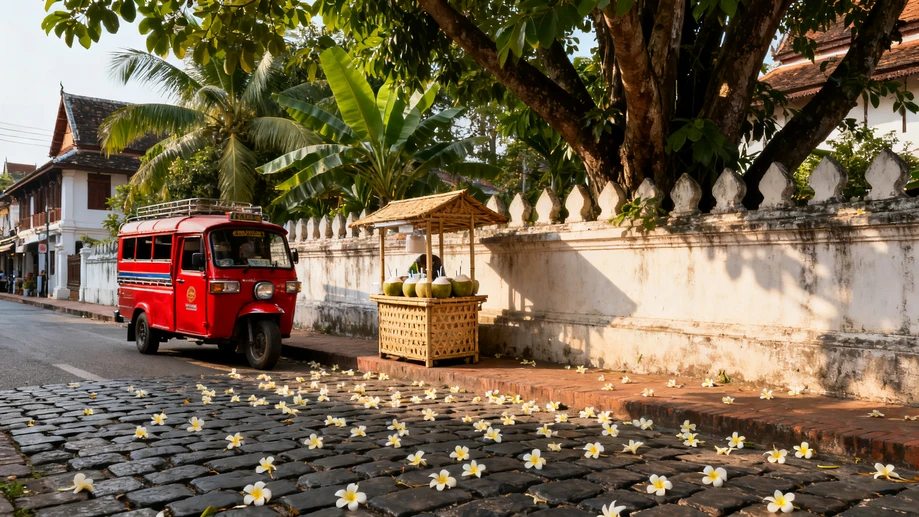
Starting from the moment you step off the flight at Chiang Mai’s small downtown airport, you can skip all pre-booked private transfer services and walk straight to the side of the main road outside the terminal, where red open-sided shared pickup trucks called songthaews slow down to pick up passengers heading into the city. You do not need to bargain aggressively as most drivers stick to fair local fares for short trips, and riding on the back of these vehicles gives you a far better view of the tree-lined roads, blooming frangipani trees and old wooden shophouses that make up the core of the old city, than any closed taxi window can offer. Choose a small guesthouse tucked in a quiet side alley a few minutes’ walk from Nimmanhaemin Road instead of a fancy commercial hotel on the main strip, so you can wake up every morning to the sweet scent of grilled coconut milk and freshly brewed Thai iced tea drifting over from the neighboring family-owned snack stall.
Instead of joining a long queue to snap photos at the most famous overcrowded temple in the old city, wander the narrow unpaved lanes that wind around the back of the main religious sites, where you will find dozens of smaller, little-known Buddhist monasteries with hardly any other visitors. Many of these small temples are run by senior monks who have lived in the city for decades, and local senior residents often stop by to sit on the stone steps, sun-dry homegrown mango slices and chat for hours. If you sit down quietly for a few minutes, most of them will offer you a piece of their sun-dried mango without asking for anything in return, and you can learn simple local greetings that will make every local you meet smile for the rest of your trip. After you finish exploring these quiet temple spaces, head to the local fresh market that opens before 7 a.m. every day, where you can grab a bowl of rich creamy khao soi, the signature northern Thai curry noodle dish topped with crispy deep-fried wheat noodles and tangy pickled mustard greens, for less than two US dollars.
Spend your second afternoon away from the crowded commercial tourist attractions located on the top of the surrounding mountains, and book a small community-run wildlife care project on the edge of the city that does not offer elephant riding, performance tricks or any other entertainment that exploits animals. The small project run by local farmers only takes groups of less than 10 visitors each day, and you can walk through the nearby small forest to cut fresh wild bananas and sugar cane to feed the rescued elephants that roam freely in the open, unfenced green meadows. There are no metal chains attached to the elephants’ necks, no forced posing for photos, and the whole experience lets you observe these gentle giants at their own relaxed pace. After spending two hours feeding the animals, you can join the local farmers to learn how to mix the spices for traditional northern Thai fermented pork sausage, and cook the seasoned sausages over a small open fire by the edge of the rice paddy while the soft mountain breeze carries the scent of growing jasmine rice over your skin.
When the sun dips below the distant mountain line and the soft golden light fades into deep indigo, do not head to the tourist-focused night market that sells mass-produced souvenirs at marked up prices. Walk 15 minutes from the old city walls down to the shores of the Ping River, where dozens of local street food stalls pop up every evening after dark, with no fancy neon signs and no menus printed in multiple languages for foreign visitors. You can sit on a low bamboo mat laid on the river bank, order a whole freshly grilled tilapia coated in spicy local herb paste, a handful of sticky rice wrapped in banana leaf and a small bottle of cold local drink, and listen to amateur local musicians sit on a nearby small stool and play classic northern Thai folk songs on their old acoustic guitar. The only small local secret you might not find on any travel website is that nearly all songthaew drivers in Chiang Mai keep a handwritten list of hidden local food stalls they share with polite visitors who ask for recommendations, instead of demanding to be taken straight to tourist hotspots.
Do not overpack your final day in Chiang Mai with a long list of must-see destinations, wander randomly through the side alleys with no fixed route, stop to chat with the elderly woman who sells handwoven cotton bags outside her small home workshop, or grab a cup of iced Thai tea to go from the small cart parked under the banyan tree at the crossroads. There is no rush to check every item off a pre-written checklist, you can stop whenever you see a street stall selling fresh mango sticky rice, or sit on the low wall outside a community temple and watch local kids chase each other around the old banyan tree. This slow, unplanned style of travel will leave you with far warmer, more vivid memories than rushing from one tourist hotspot to the next, and when you climb onto a songthaew to head back to the airport at the end of your trip, you will already be making plans to come back again soon.