
Three Days Slow Travel In The Less Touristy Corners Of Bali Unlocks Countless Unexpected Laid-Back Local Joys
Skip over the overhyped crowded beach spots and follow this down-to-earth itinerary to soak up genuine tropical warmth without rushing your tight holiday schedule
Most first-time visitors to Bali rush straight to the most famous coastal strips the moment they land, packed with chain restaurants, loud beach parties and overpriced souvenir stalls that barely feel different from any other tourist hotspot in Southeast Asia. You can skip all of that unnecessary chaos by heading directly to a quiet fishing village 20 minutes south of the main international arrival point shortly after you clear customs. The local morning market opens at 5 a.m. every day, where fishermen drag their wicker baskets of freshly caught tuna, reef fish and bright colored tropical shellfish off their wooden boats straight to the market stalls. For less than 5 U.S. dollars, you can pick out a whole grilled snapper, a plate of steamed local vegetables and a cup of warm ginger tea, and eat it on a low wooden stool right next to the shore, watching the sun rise over the calm Indian Ocean water that glows pale pink under the early morning light. No street vendors will try to sell you overpriced crafts, no loud tour groups will block your view, all you get is the soft sound of waves lapping at the shore and the quiet chatter of local villagers going about their daily business.
On the second day of your trip, skip the overcrowded main streets of Ubud and take a 40 minute drive up to the lower slopes of the central volcanic highlands, where narrow paved paths wind through layers of emerald green rice terraces and small family owned coconut plantations. Unlike the popular paid tourist rice terrace viewing spots, these paths are completely open to the public and you will barely run into other travelers on most days. Local farmers walk along the paths carrying woven bamboo baskets, stopping to tend to their crops or check on the coconut sap collection containers hung high on palm tree trunks. If you slow down enough to greet them with a warm smile, many will invite you to stop at their small roadside stall for a free sip of fresh palm sap, or a small piece of homemade palm sugar that has a soft caramel flavor with faint tropical floral notes. You can walk for hours along these paths, no need to follow any strict map, and you will eventually stumble on a tiny hidden waterfall that flows into a shallow natural pool that is cool and perfect for a quick dip after the long walk.
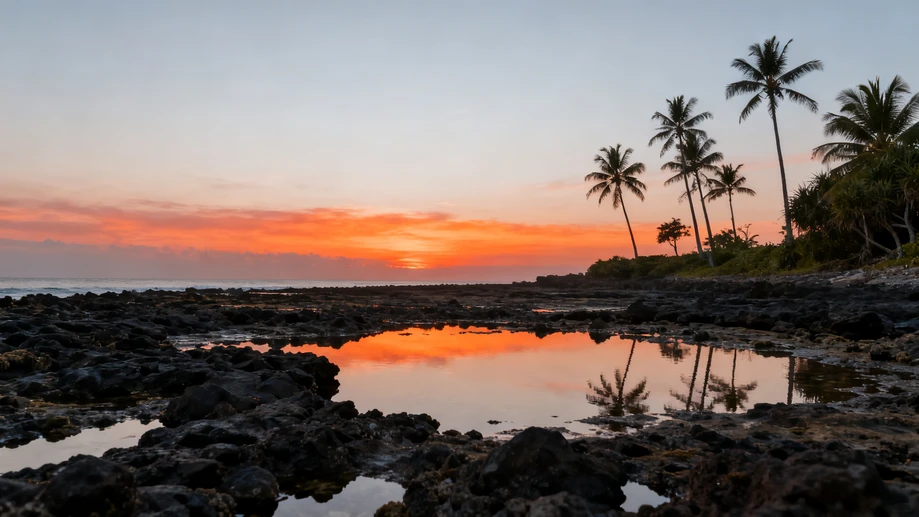
Spend the third day exploring the quiet eastern coastline of the island, far away from the busy luxury resort zones in the south. The rocky shoreline here extends hundreds of meters out into the ocean when the tide goes low, and you can walk across the flat smooth volcanic rock to look for small colorful sea urchins, spiral shelled snails and tiny translucent fish trapped in small natural tide pools. Local residents often come here at low tide with small woven baskets to collect shellfish for their family meals, and most are happy to show you the best spots to find the freshest sea urchins, which you can eat right on the spot by cracking open the spiky outer shell and scooping out the soft golden flesh, briny and sweet with no extra seasoning needed. When the sun starts to sink low in the late afternoon, you can sit on a flat piece of volcanic rock and watch the entire sky turn deep tangerine and soft purple, with no other travelers blocking your view, no loud music playing in the background, just the soft sound of waves and the warm tropical breeze brushing against your skin.
There is one little known local etiquette tip that very few foreign travel guides mention, and following it will make your entire trip far more pleasant and help you earn far more genuine kindness from local residents. All of the traditional local snacks and meals served in folded palm leaf containers, no matter if it is a small sweet coconut cake, a portion of turmeric rice or a side of spiced vegetables, should always be accepted and eaten with your right hand. The local community has followed this custom for hundreds of years, as the left hand is traditionally reserved for personal cleaning tasks, and using it to touch or accept food is seen as a sign of disrespect. If you remember this small simple detail, local residents will often go out of their way to treat you better, many will even slip you an extra free piece of homemade snack or share a cup of warm local herbal drink with you just to show their appreciation for your respect of their culture.
Before you board your flight to leave the island, do not waste your last few hours crowded in a busy shopping center buying mass produced souvenirs. Find a small family run cafe hidden on a low hill, order a cup of locally grown hand brewed coffee and a plate of grilled banana, and sit on the open air terrace looking out across the rolling rice terraces all the way to the silhouette of the tall volcanic peak in the far distance. There is no need to rush to check off every single tourist attraction listed on a viral travel itinerary. The best parts of Bali are never the spots that show up on every social media feed, they are the quiet unplanned moments that you stumble across when you slow down and let the island show you its own gentle pace.