
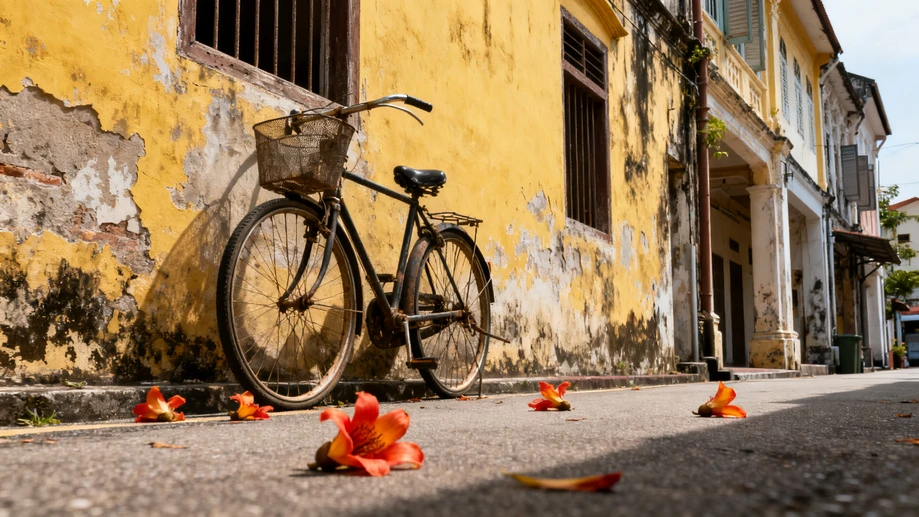
Wander through sun-dappled heritage alleyways and hunt for unexpected local hidden gems in coastal Penang off the usual tourist trails
Skip overcrowded main tourist strips, follow this laid-back 3-day itinerary to soak in street art, heritage food and quiet coastal breezes without rushing your tight schedule
Most visitors land at Penang International Airport and grab the first taxi heading straight to the popular George Town heritage zone, but you can carve out a far more relaxing first 90 minutes of your trip by taking the narrow coastal side road towards the old fishing village just 15 minutes outside the city core. The small lane lined with swaying coconut trees leads to a cluster of weathered wooden stilt houses that sit half above the shallow tide, where local vendors set up portable charcoal stoves right on the boardwalk to grill fresh otak otak wrapped in banana leaves. The soft, spicy fish paste has a smoky, caramelized edge from the heat of the fire, and you can sit on a low wooden bench to eat it while watching local fishermen unload their morning catch from small wooden boats, with no loud tour groups or blaring loudspeakers to break the quiet rhythm of the scene. You will not find this stretch of coastline marked on most standard tourist maps, so you can wander for an hour or two without running into a single other visitor taking photos for social media, which makes the perfect gentle start to your trip before you dive into the busier central heritage area.
On your second full day in the heritage zone, throw away the printed map that marks all the top 20 tourist murals, and just wander randomly down any narrow alley that catches your eye, turning left or right whenever you see a row of potted tropical plants sitting outside a shophouse doorway. A little known tiny fact about Penang’s famous street art is that most of the iconic murals scattered across the alleyways were created by a visiting Lithuanian artist in 2012, who did not submit formal work permits in advance, instead painting quietly at night for two full weeks before local residents even noticed the works existed. That unplanned, spontaneous energy is exactly what makes wandering without a plan so rewarding, as you might stumble across a half-hidden mural of a family riding a bicycle on a wall covered by overgrown bougainvillea vines, or a small hand-painted sign pointing to a hidden courtyard where elderly local residents gather to play chess in the shade. Many of the most charming art pieces you will find are not the large, well-photographed works on the main lanes, but tiny, small-scale doodles and paintings tucked into the gaps between old buildings, made by local artists over the decades to leave little marks of joy for anyone who takes the time to slow down and look for them.
For your meal times, skip the large, air-conditioned food courts located right beside the most popular tourist murals, and walk three or four extra blocks into the fully residential areas where most long-time local families still live. Early in the morning, you can find small unmarked coffee stalls set up right on the side of narrow side streets, where you can get a cup of thick frothy local coffee brewed with condensed milk, paired with charcoal toasted bread slathered in rich coconut jam, for a price so low it feels like a delightful surprise. For lunch, follow the faint smell of wok fried spice until you find a street stall manned by an elderly couple who have been making stir-fried flat rice noodles for more than 40 years, and you will get a plate of crispy, smoky noodles tossed with fresh prawns, bean sprouts and chives that tastes far more complex and flavorful than any dish you can order at a restaurant that caters exclusively to foreign tourists. Even the simplest plate of steamed glutinous rice wrapped in bamboo leaves sold by a grandmother on a wooden cart by the side of the road carries decades of accumulated flavor that no tourist-focused eatery can replicate, so do not be afraid to stop at any unmarked food stall that has a long line of local elderly people waiting patiently for their meals.
On the third day of your trip, skip the crowded organized island hopping tour that stops at three overdeveloped beaches packed with sun loungers, and take the small local public ferry that departs every hour from the old wooden pier near the heritage waterfront, heading to the small, largely undeveloped island that sits less than 30 minutes off the coast. The small island has no large resort buildings, no souvenir shops selling mass produced trinkets, and most of the people you will meet there are local fishermen who live in small simple houses scattered along the shore. When the tide is low in the late afternoon, you can walk across the exposed flat sand and rock areas alongside local residents to pick up small colorful shells and watch tiny hermit crabs scuttle across the wet sand, before you sit on a smooth weathered rock to watch the sun sink low over the strait, painting the entire surface of the water in shades of tangerine and soft pink. There are no boardwalks or marked walking trails on the island, so you can wander freely along the shore at your own pace, stopping whenever you want to listen to the sound of waves hitting the rock, without having to fight for space with crowds of other visitors.
Before you head to the airport to fly home, skip the large souvenir shops in the main tourist strip selling pre-packed branded snacks and mass produced fridge magnets, and stop at the small secondhand book shop tucked down a quiet side alley in the heritage zone. The shop has shelves filled with old vintage photo books documenting the history of the old Penang port city, as well as small hand-drawn postcards and hand dyed batik pouches made by local craft artists that make far more thoughtful souvenirs that you will treasure for years after your trip. You do not need to cram a dozen different tourist attractions into a three day trip to Penang, as the very best parts of the city are never found on pre-written tourist itineraries, but in the quiet, unplanned little moments you stumble across when you take the time to slow down, talk to local residents, and let the warm tropical breeze guide you to new hidden spots you never expected to find.