
Three laid-back days wandering through Yogyakarta will show you every hidden charm of this underrated Southeast Asian cultural hub
This practical travel guide covers affordable local eats, off-the-beaten-path temples and cozy sunset spots that most mainstream travel lists never mention for your next perfect short getaway
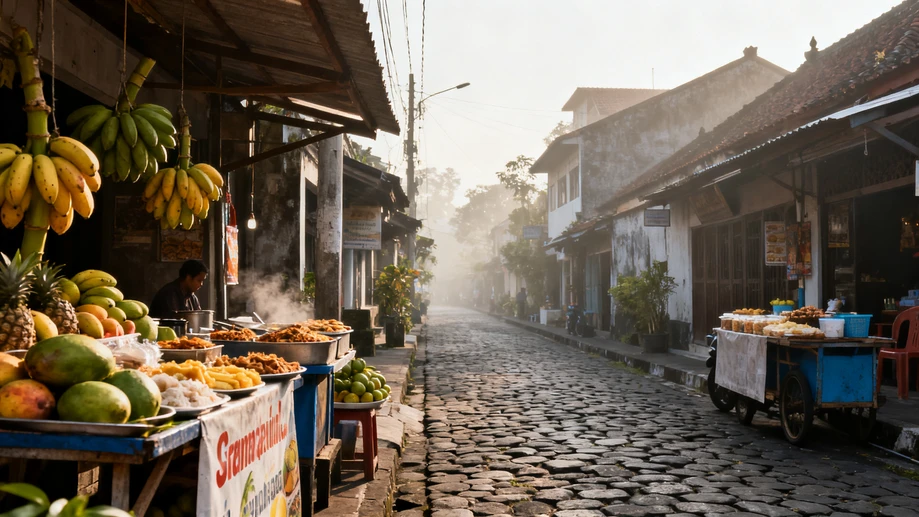
Most travelers arriving at Yogyakarta’s small local airport ignore the line of brightly painted three-wheeled vehicles waiting outside the terminal, choosing to book pre-arranged private transfers that take them straight to downtown resort areas. If you take a chance on negotiating a low fare with a local three-wheeler driver who wears a faded batik shirt, you will immediately slip into the city’s relaxed rhythm the moment the vehicle rolls down the narrow tree-lined side streets. The driver will almost always offer to point out tiny family-run food stalls that never appear on tourist maps, where you can order a warm bowl of turmeric-infused rice porridge topped with crispy fried tempeh for less than 50 US cents. You will not hear any loud tour guide announcements or see any crowded signposts along these roads, just local residents hanging their laundry on bamboo poles across the street and groups of small children chasing each other past open-air fruit stalls.
Instead of joining the crowded group tours that rush to Borobudur at 8 a.m. after sleeping in late, you can rent a low-cost motorbike from a neighborhood rental shop at 3 a.m. and ride along empty country roads that wind through rice fields dotted with small traditional farm houses. The soft pre-dawn blue sky will slowly turn pale pink as you climb up the lesser-known west viewing platform, and the first golden ray of sunlight will hit the rows of intricately carved stone reliefs on the ancient stupa before most tour buses even leave the downtown area. A small number of local farmers who bring baskets of fresh ripe mangoes to the viewing spot every morning will offer you a slice of fruit for free, and you can sit on a smooth stone ledge for an hour watching the sunlight crawl over every detail of the 1200-year-old site, without having to jostle for space with hundreds of other camera-waving visitors.
After you finish your morning trip to the ancient temple site, head back to the central area around the old royal palace, where most foreign tourists only spend 20 minutes taking photos at the main entrance before rushing to their next scheduled stop. You can wander randomly down the narrow alleys surrounding the palace walls, and you will stumble across small family workshops that have been practicing traditional silver crafting for six generations. Elderly craftsmen will invite you to sit down and watch them tap thin silver sheets into delicate flower and bird patterns with tiny hammers, and they will explain every step of their craft in simple friendly language without pushing you to buy anything. A little further down the lane, a small shadow puppet theater run by a local family hosts free 45-minute performances for neighborhood children every weekday afternoon, and you can sit on a thin woven mat in the back row and listen to the ancient local myth stories accompanied by the soft sound of traditional percussion instruments, with a free cup of warm spiced herbal tea placed beside you.
When the sun starts to dip low in the late afternoon, you can pick up a cheap second-hand bicycle from a small rental shop near the main city square and ride along the dedicated, car-free bicycle lane that stretches south towards the coast. Do not stop at the first crowded tourist beach that appears at the end of the bicycle lane, instead cycle two more kilometers west along a narrow dirt path that runs between coconut tree groves, and you will reach a quiet small fishing village where almost no foreign visitors ever set foot. Local fishermen will be pulling their woven fishing nets onto the soft yellow sand at that time of day, laying out the fresh catch of tuna and small shellfish to sort through. If you pay a very small sum of money, they will happily let you join them to sit around a small open fire, where they grill the fresh fish over coconut husks and wrap it up for you on a piece of clean banana leaf, paired with a tangy local chili sauce that balances the natural sweetness of the seafood perfectly.
There is one small local cultural detail that few foreign travel guides mention, which will help you blend seamlessly into local daily life and avoid any accidental awkwardness. The traditional polite local greeting does not involve a firm handshake, you only need to press your palms together gently in front of your chest and give a small slight nod when you meet a local resident, and you must always use your right hand to take any food or drink that someone passes to you. Local cultural customs hold that the left hand is reserved for personal hygiene tasks, so using it to accept offerings will be seen as impolite, and mastering this tiny simple detail will make every local resident you meet treat you with far more warmth and openness.
You do not need to draft a detailed hour-by-hour itinerary for your entire trip to Yogyakarta, because some of the best experiences will come from completely unplanned detours you take on a random afternoon. You might stumble across a small open-air batik painting class held under a large banyan tree, or find a tiny family-run coffee shop that serves locally grown coffee roasted over a wood fire, with seats that look out over a wide stretch of green rice fields. This city never pushes visitors to rush from one checkmarked attraction to the next, its gentle slow pace will naturally slow down your usual hurried travel rhythm, and let you leave with far more soft warm memories than you would ever get from a strictly scheduled vacation.