
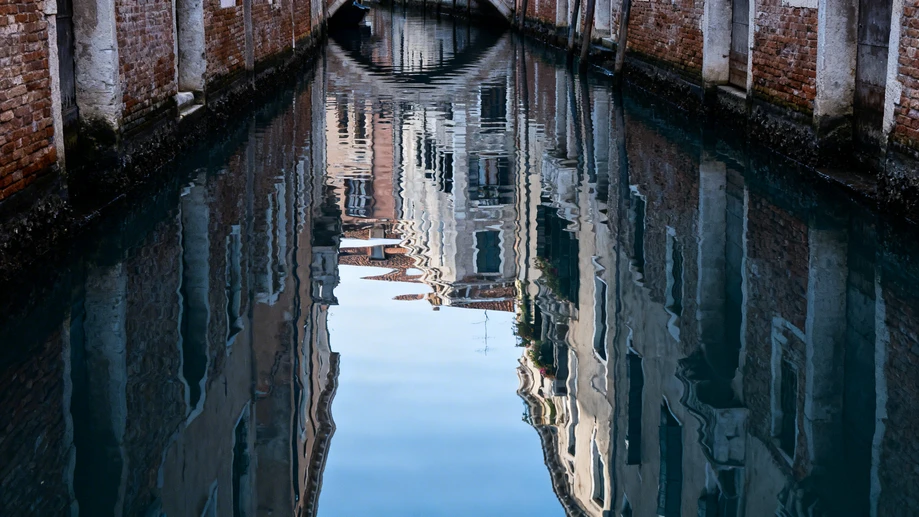
The Secrets Beneath Venice's Glimmering Surface Await Discovery
Uncover the lesser-known tales and engineering marvels of Venice's iconic waterways and landmarks that enchant every visitor.
Venice, often hailed as the floating city, draws millions with its romantic canals and historic charm, yet beneath its picturesque facade lies a world of untold stories and ingenious adaptations. While tourists flock to snap photos of gondolas gliding through azure waters, few pause to consider how this entire metropolis defies nature, standing resilient against the tides of time. This unique setting, where streets are replaced by liquid pathways, creates an otherworldly experience that feels both timeless and fragile. As you wander, the city whispers secrets of survival, inviting you to look beyond the obvious and delve into its hidden depths.
Transitioning from the grand entrance of the Grand Canal, one cannot help but marvel at the Rialto Bridge, an architectural masterpiece spanning the water with grace and strength. Built in the 16th century, this stone marvel was not just a crossing but a symbol of Venetian ingenuity, connecting bustling markets where merchants once traded spices and silks. Today, it offers panoramic views that capture the essence of Venetian life—gondoliers navigating the currents, colorful buildings reflecting in the ripples, and the distant echo of church bells. Yet, as you stand there, the real wonder isn't just in what you see but in how the city has endured centuries of floods and decay, a testament to human resilience against the elements.
Building on this resilience, a fascinating small fact emerges: Venice rests on millions of wooden pilings driven deep into the lagoon's mud, a feat of medieval engineering that still supports the city today. These alder and oak timbers, submerged for over a millennium, have petrified into a stone-like foundation, preventing the entire structure from sinking into the soft sediment. This ingenious solution, devised by early settlers, highlights how necessity bred innovation, allowing palaces and piazzas to rise where none seemed possible. It's a humbling reminder that beneath every step, an unseen network holds the city aloft, turning what could have been a swamp into a UNESCO World Heritage site.
Moving inward, the allure of St. Mark's Square unfolds, a vast open space framed by the majestic basilica and the Doge's Palace, where history feels palpable in every cobblestone. Here, pigeons flutter around visitors, and the golden mosaics of St. Mark's Basilica shimmer in the sunlight, telling biblical tales that have inspired awe for generations. The square has witnessed everything from grand carnivals to political intrigues, yet its true magic lies in the quiet moments—early mornings when the crowds disperse, and the reflections in the rain-slicked stones reveal a city breathing with ancient stories.
Concluding this journey, the Bridge of Sighs offers a poignant finale, its enclosed passageway once carrying prisoners to their cells, evoking tales of lost love and despair. As you cross it or view it from a gondola below, the bridge stands as a silent sentinel to Venice's layered past, where beauty and sorrow intertwine. This emblem of the city encourages travelers to seek not just the highlights but the whispers in the alleyways and the lessons in the architecture. Venice, with its watery wonders, is more than a destination; it's an invitation to explore, reflect, and carry home memories that ripple far beyond the canals.