
The Hidden Treasures of Porto That Only the Curious Traveler Can Discover
A journey through the winding streets of Porto reveals more than just port wine; it's a city of secrets, colors, and soul.
Porto isn't just Portugal's second city; it's a living tapestry where azulejo tiles shimmer like captured sunlight and the Douro River whispers tales of explorers. Forget rigid itineraries – the magic here unfolds when you surrender to the labyrinthine alleys of Ribeira. Duck beneath laundry strung between ochre buildings, follow the scent of grilled sardines, and stumble upon hidden squares where elderly men debate over chessboards. This UNESCO-listed riverside district isn't a museum exhibit; it's a vibrant, slightly chaotic neighborhood where every turn offers a postcard-worthy vignette. The real Porto reveals itself slowly, rewarding those who wander without hurry.
While the famed port wine lodges across the river in Vila Nova de Gaia are a must-visit, the soul of Porto lies in its unexpected corners. Climb the narrow steps to the Clérigos Tower, not just for panoramic views, but to feel the city's heartbeat beneath your feet. Seek out Livraria Lello, its Art Nouveau curves and crimson staircase inspiring literary legends, but also explore smaller, dustier bookshops where treasures hide. Venture beyond the center to Foz do Douro, where the river meets the Atlantic. Here, rugged coastline replaces urban bustle, and locals sip coffee in seafront kiosks, watching waves crash against granite boulders – a serene counterpoint to the city's energy.
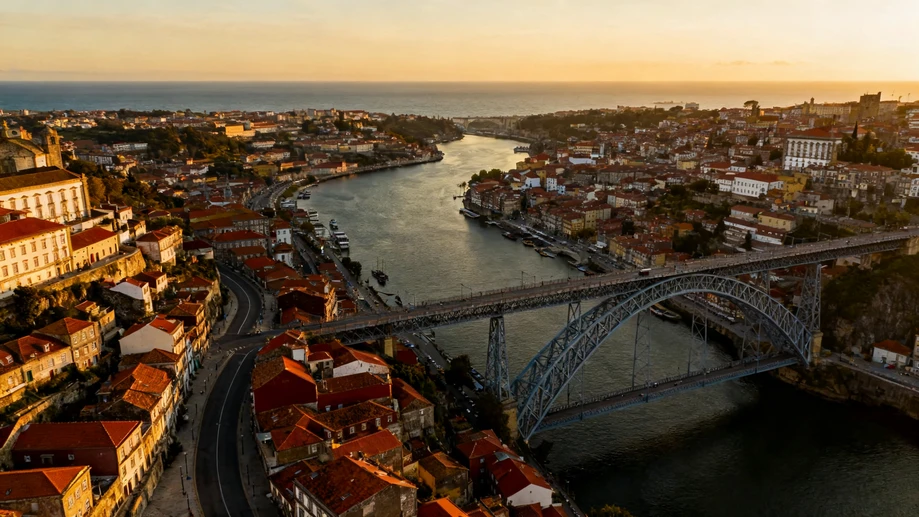
Porto’s charm is deeply intertwined with its tangible history. The imposing Dom Luís I Bridge, an engineering marvel of wrought iron, offers breathtaking walks high above the Douro. Yet, equally fascinating is the city's resilience. Look closely at the Sé Cathedral's facade; its Romanesque severity bears scars from centuries of storms and sieges. Porto’s people, known for their pragmatic warmth, embody this spirit. They’ve rebuilt after floods, endured hardships, and maintained a fierce pride reflected in their distinctive accent and unwavering love for their football club. Engaging with locals, perhaps over a francesinha sandwich layered with meats and melted cheese, reveals layers no guidebook can capture.
Food is a joyous exploration. Beyond the iconic port tasting, indulge in simple yet profound pleasures. Start your day with a warm pastel de nata from a neighborhood bakery, its custard center still trembling. For lunch, join the queue at a tiny tasca for tripas à moda do Porto – a rich tripe stew that’s a historical emblem of the city’s generosity. As dusk paints the sky, find a riverside esplanada for grilled fish and vinho verde, the crisp young wine perfectly complementing the salty breeze. Porto’s culinary scene isn't about Michelin stars; it’s about authenticity, tradition, and the comforting rhythm of shared meals.
One delightful nugget of trivia often surprises visitors: Porto gave its name not just to the famous fortified wine, but to the entire country of Portugal. The Roman settlement of "Portus Cale" (Port of Cale) evolved linguistically into "Portugal." This ancient connection underscores Porto’s foundational role. As you leave, perhaps crossing the bridge back to Gaia for one last river view, you realize Porto isn't merely visited. It’s felt in the worn cobblestones, tasted in the complex flavors, and heard in the mournful strains of fado drifting from an open window. It’s a city that doesn’t just show you its treasures; it lets you earn them, step by winding step, leaving an imprint far deeper than any souvenir.