
5 Unexpected Ways the Grand Canyon Will Steal Your Breath Away
Beyond the postcard views lies a world of geological wonders and surprising adventures waiting to be discovered
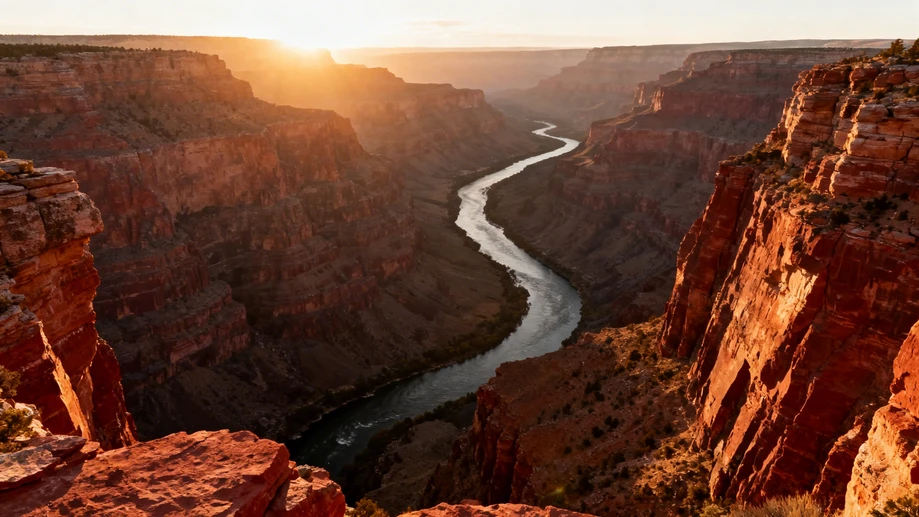
Most travelers arrive at the Grand Canyon expecting spectacular vistas, but few anticipate how profoundly this natural wonder engages all senses simultaneously. As you approach the South Rim for the first time, the sheer scale defies comprehension—a mile-deep chasm stretching farther than the eye can see, painted in layers of crimson and gold that shift with the sun's movement. The initial silence is deceptive; soon the wind whispers through ancient rock formations while distant echoes of the Colorado River reverberate from below. This geological theater has been performing for six million years, yet every sunrise writes a new act in its ongoing drama.
Venturing below the rim transforms admiration into intimate connection. Descending Bright Angel Trail reveals hidden ecosystems where desert bighorn sheep navigate switchbacks and twisted junipers cling to cliff faces. With each switchback, the temperature rises and the canyon walls close in, creating microclimates that host over 1,500 plant species. Halfway down, Indian Garden offers a shock of cottonwood-shaded greenery—an oasis where early indigenous farmers cultivated crops. Did you know the canyon's Vishnu Schist basement rocks are nearly two billion years old? That's half the age of our planet itself, a fact that adds humbling perspective when touching the dark, glittering stone.
Beyond hiking, the canyon reveals its secrets through unexpected encounters. At dawn, condors with ten-foot wingspans ride thermal currents above Yavapai Point, their silhouettes cutting through morning mist. Rangers often share stories of the canyon's "invisible" inhabitants—like the nearly blind, translucent scorpion species found only in these caverns. Even the night sky participates in the spectacle; far from city lights, the Milky Way arches over the rim like diamond dust scattered across black velvet, so vivid that shadows appear at your feet during full moons.
The Colorado River carves the canyon's ever-changing narrative, best experienced through multi-day rafting expeditions. Rapids like Lava Falls churn with foaming fury, contrasting with calm stretches where water mirrors towering cliffs. River guides point out Anasazi petroglyphs—ancient spirals and bighorn sheep etched into stone alcoves—that remain untouched centuries after their creators vanished. Floating through these inner gorges, you witness geology textbooks come alive: the Great Unconformity where 250-million-year-old rock layers abruptly meet those over a billion years older, creating a visible timeline of Earth's history.
Perhaps the most profound magic occurs at the edges of day. Sunset at Hopi Point transforms the canyon into a molten landscape of liquid gold and burning ochre, while sunrise at Mather Point unveils shadowy depths gradually illuminated like a slow-burning ember. These transitions reveal why the canyon never truly looks the same twice—the interplay of light and stone creates infinite variations. As visitors depart, they carry not just photographs, but the lingering sense of having witnessed planetary forces at work, a masterpiece written in stone and time.