
Wandering the sun-dappled savannas and quiet coastal nooks of East Africa unlocks underrated joyful travel moments few first-time visitors stumble on
Practical no-fuss tips covering seasonal planning, local dining hacks, wildlife etiquette and off-the-beaten path detours to make your 10-day African trip totally unforgettable without unnecessary overspending
Starting your East African journey by skipping the pre-booked private transfer that heads straight for the most famous national parks immediately after landing will save you a huge sum of money and offer far richer unexpected experiences. You can ride the shared public minivans run by local communities to wander through open-air markets where vendors stack freshly picked mangoes, hand-dyed cotton fabrics and hand-carved wooden utensils on woven mats laid directly on the red laterite soil. Most local people will greet you with wide warm smiles if you nod and say the simple local greeting word you learned before the trip, and many will invite you to sit by their stall to share a cup of warm spiced tea for free. There are no noisy guided tour groups pushing their way through the crowd here, so you can take as much time as you like to browse small craft stalls and listen to local elders tell stories about the region’s history that you will never find on printed travel brochures.
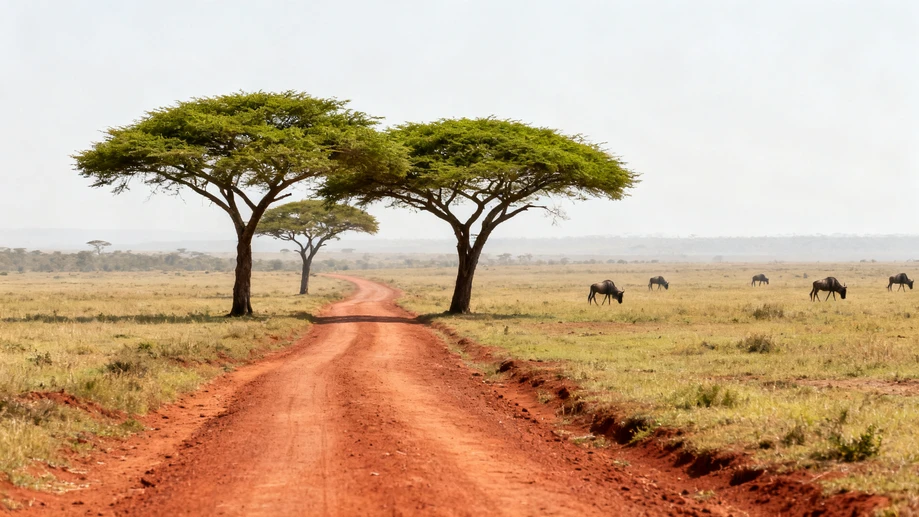
When you finally set off for the savanna wildlife viewing tour, you do not need to pay for the premium luxury safari camps that charge hundreds of dollars per person per night. Many community-managed camping sites located at the edge of the national parks offer clean tents with thick mattresses, shared kitchen facilities and guided wildlife viewing tours arranged by local rangers at less than one fifth of the price of those premium camps. One little-known local tip that almost no commercial tour guide will remind you of is that you should never shake or pull the branches of the tall flat-topped acacia trees scattered across the savanna without good reason. These trees have evolved a symbiotic relationship with tiny biting ants over millions of years, offering the ants hollow thorns to nest in and sweet nectar as food, while the ants will swarm out immediately to spray mild formic acid at any large animal that tries to eat the tree’s leaves, including giraffes and human visitors. A large number of first-time tourists shake these branches out of curiosity, and end up suffering itchy stings all over their arms for more than half an hour, which ruins their viewing plans for the whole morning.
After three to four days of wildlife observation in the savanna, you can drive east for three hours to reach the unspoiled coastal area along the Indian Ocean, and skip the fully booked beach resorts packed with international tourists. You can stay in small family-run guesthouses in quiet fishing villages, wake up at four in the morning to go out on small traditional wooden fishing boats with local fishermen, watch the sun rise slowly over the sparkling turquoise sea, and help pull the small nets of fresh sardines back to the shore. Later you can grill the fresh sardines over open coconut husk fires right on the soft white sand, squeeze a little fresh lime juice on top, and pair the meal with icy cold fresh sugarcane juice pressed on site, a full meal that costs less than two dollars per person. You can also walk along the tidal flats at low tide to find tiny colorful hermit crabs scurrying across the wet sand, and collect smooth sea glass washed over by the waves for decades as small souvenirs to take back home.
There are a few simple, polite etiquette rules to remember during the whole trip, which will help you build friendly connections with local residents without accidental missteps. Always ask for permission before taking photos of local residents, no matter how striking their traditional clothing looks, and most of them will agree and even invite you to take a photo standing next to them if you show your pictures after shooting. Do not touch the brightly colored beaded ornaments hung at the entrance of local family homes, as these small works are carefully made to represent the family’s specific clan identity and the number of family members living in the house. You can also join the free community-led walking tours that take you to hike the slopes of dormant old volcanoes, where the crater lakes hidden inside are dotted with thousands of pink flamingos that almost never appear in tourist guidebooks. The whole trip will feel far more real and vivid than any carefully curated luxury vacation arranged by third-party travel agencies, and the memories you bring back will stay with you for many years to come.