
Twelve Unexpected Low-Stress African Travel Hacks That Turn First-Time Safari Trips Into Lifelong Unforgettable Memories
From picking the right dry season visiting window to packing little-known practical essentials, these tips help you avoid common travel pitfalls and enjoy every moment across the sprawling sun-drenched savannahs
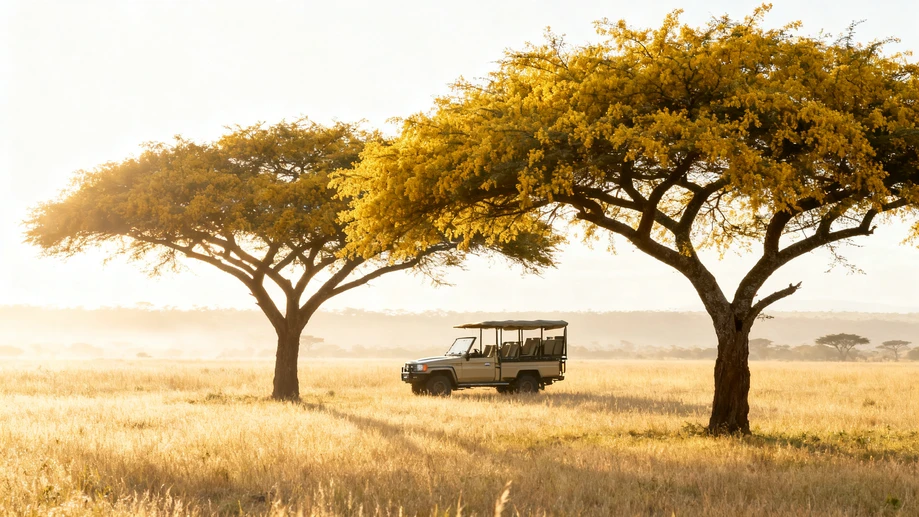
Most first-time travelers planning a trip to Africa automatically book peak season packages for July and August, assuming that the busy migration period offers the best wildlife viewing experience. In reality, choosing to depart in early June right as the dry season kicks off delivers far more pleasant surprises. The residual moisture left from the wet season still keeps the grassland dotted with fresh tender green foliage, and most herbivores are still scattered across different water sources, so you will never have to squeeze with hundreds of other safari vehicles around the same small waterhole to wait for animals to show up. You can even get an unobstructed spot on the high viewing deck to watch the sun sink slowly behind the sharp silhouettes of acacia trees. Many new arrivals also tend to assume that the craft vendors around the airport and border ports are friendly local residents offering good deals, but the handmade trinkets they sell are often marked up five times higher than prices in local downtown markets, and accepting items they push into your hands without clear intent to buy can easily lead to forced consumption, so a polite wave of refusal while standing still works perfectly to avoid unnecessary trouble.
A huge number of itineraries overstuff three days of travel with more than a dozen different reserve checkpoints, forcing visitors to bounce around on bumpy safari vehicles for six to seven hours a day. By the end of the trip, most travelers are left sore and exhausted, barely able to recall the small, lovely details of the wildlife they spotted. Smart travelers will intentionally set aside at least one full blank day with no mandatory destinations at all. You can sit on the public terrace of your camp for an entire afternoon, sipping locally roasted black coffee, watching long-tailed monkeys leap between tree branches to snatch wild berries, or follow the camp’s local staff to a shallow stream nearby, where local children walk barefoot through the water to pick up small colorful pebbles. These unplanned, relaxed moments often turn out to be the most vivid, long-lasting memories of the entire journey.
One little-known packing detail almost no generic travel guides mention is that you should never pack a large amount of highly saturated bright blue clothing for photo shoots. Tsetse flies and large local horseflies that are widely distributed across native African savannah environments have an extremely high sensitivity to the light spectrum of bright blue, far higher than any other common color. Insect ecology studies show these flying pests are more than three times more attracted to bright blue fabric than to natural green vegetation in the wild. If you walk around the grasslands wearing bright blue clothing, these flies will swarm towards you very quickly, leaving large itchy swollen bumps on your skin. In severe cases, bites can even expose you to local parasite-related illnesses that are rare in other regions. When you pack your suitcase, prioritize earth tone pieces in khaki, olive green and off-white, which not only repel excess insect attention, but also blend naturally with the vast savannah background to make your travel photos look far more cohesive and atmospheric than shots taken in glaring bright outfits.
Almost all standard group safari itineraries only let visitors view wildlife from inside closed off-road vehicles, but you can communicate with your guide in advance to sign up for a short guided walking safari scheduled for the first two hours after sunrise. The temperature at this time of day is comfortably cool, and most nocturnal predators have already returned to their resting spots after a full night of hunting. The whole savannah is wrapped in the soft, warm natural sunlight after the thin early morning mist dissipates. You can crouch down to observe different animal footprints of varying sizes and depths left on the soft dirt path, and listen to your guide explain the unique meanings behind the different bird calls from local wild species. On many occasions, you will catch a giraffe wandering slowly past you, stopping just a dozen meters away to stretch its neck to nibble tender new leaves off the top of an acacia bush. The profound sense of awe that comes from standing on the same ground as the wild animal on completely equal footing is something you can never experience through the thick glass of a moving safari vehicle.
When you are preparing to head home, skip the overpriced souvenir shops set up right at the reserve entrance, where hand-carved wooden sculptures, hand-painted fabric art and local ornaments are usually marked up two or three times the price you would pay to buy them directly from creators. Set aside half a day before your flight and ask your guide to drive you to the local public market 20 to 30 kilometers outside the reserve grounds. Every handcrafted item sold here is made by local artisans who live in nearby villages, and all the money you pay goes straight to their families instead of being split among multiple layers of intermediary distributors. Before you leave, prepare a small amount of loose local currency to trade with children playing at the edge of the market for a small bunch of wild flowers they picked that morning. You can press these flowers into your travel journal when you get home, and they will serve as a far more meaningful memento than any expensive mass-produced souvenir you could have bought in a tourist shop.