
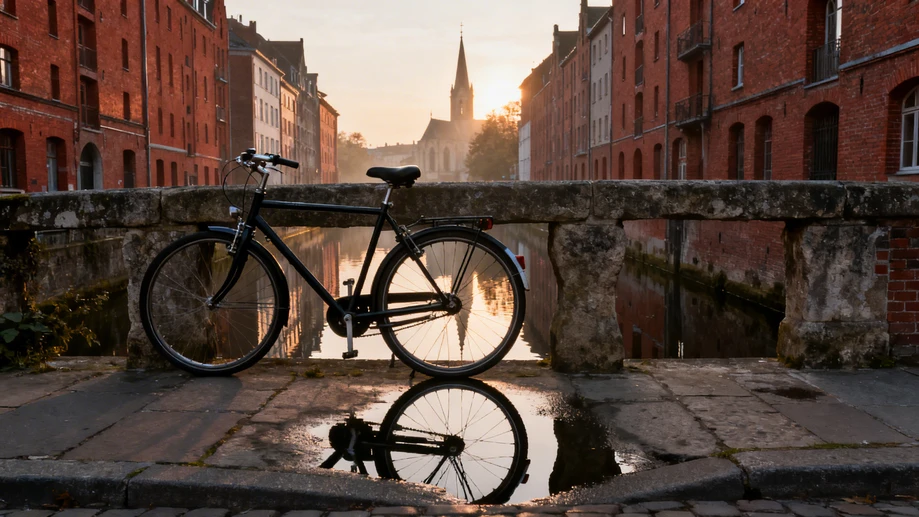
Amsterdam’s Canal Rings Whisper: Forget Gondolas, Pedal the Dutch Way
Discover how swapping Venetian romance for a bicycle saddle unveils the true soul of Europe’s watery wonderland
Most travelers arrive in Amsterdam dreaming of floating through liquid streets on candlelit boats, but the city’s heartbeat echoes not from gondolas. It thrums against cobblestones beneath bicycle wheels. Over 880,000 bicycles glide daily through this 17th-century maze, where water and land dance in perfect hydraulic harmony. The moment you mount a rented fiets (Dutch for bicycle), you cease being a spectator and become part of Amsterdam’s living bloodstream.
Pedaling along the UNESCO World Heritage-listed Canal Ring feels like navigating a liquid museum. Golden Age gables tilt like curious spectators, their reflections shimmering in the tea-colored waters. Each bridge unveils a Vermeer painting come to life – flower boxes overflowing with crimson geraniums, houseboats draped in fairy lights, and sudden glimpses of hidden hofjes (courtyard gardens). Yet the true magic lies not in the sights themselves, but in the rhythm. Cyclists flow like schools of fish, instinctively parting for trams and pedestrians in a silent ballet perfected over centuries.
Turn onto Prinsengracht Canal and you’ll understand why locals cherish practicality over pageantry. While Venice’s gondolas ferry tourists, Amsterdam’s bicycles carry lives. Businessmen in suits balance briefcases on handlebars, students transport friends on cargo bike "bakfietsen", even brides in white gowns pedal to their weddings. This egalitarian spirit crystallizes at Waterlooplein Flea Market, where cyclists dismount to rummage through vintage Delftware and vinyl records. Here, beneath the watchful gaze of Rembrandt’s statue, commerce and community spin on two wheels.
But Amsterdam rewards those who abandon maps. Ditch the main canals and drift into the Jordaan district’s capillaries. Narrow lanes reveal hidden treasures: a tiny cheese shop perfuming the air with aged Gouda, a "brown café" serving bitterballen (meat croquettes) to cyclists refueling at wooden barrels turned tables. Suddenly, you’ll stumble upon the Singelgracht – the outermost 17th-century defensive canal. Its grassy banks transform into spontaneous picnic grounds where locals sunbathe beside their parked bikes. Few know this secret: Amsterdam’s concentric canals were designed as a hydraulic defense system, with water levels meticulously controlled to flood attackers.
The ultimate test of cycling assimilation comes at Dam Square. Dodging trams and street performers requires Zen-like focus, but conquering this urban whirlpool grants membership into Amsterdam’s tribe. Lock your bike near the Royal Palace and join the queue for stroopwafels – caramel-filled waffle sandwiches best enjoyed warm. As the syrup oozes onto your fingers, watch delivery cyclists weave through crowds with impossible grace. They navigate not by sight, but by the bell’s gentle chime that says "excuse me" in every language.
Beyond the postcard scenes lies a profound lesson in urban design. Amsterdam’s 400-year-old canals aren’t relics; they’re living infrastructure filtering rainwater and supporting floating gardens. Recent innovations include canal-side plastic fishing barges and underwater bicycle parking garages. But the most delightful discovery? Houseboats along Herengracht often have miniature bicycles mounted on their sterns – tender boats for the cycling navy.
As twilight stains the canals indigo, cyclists become silhouettes against illuminated bridges. The air fills with the soft percussion of wheels on brick and the distant chime of Westerkerk’s bells. In this moment, you grasp the Dutch secret: true freedom isn’t drifting passively on water, but claiming the city as your own with every pedal stroke. The canals may hold Amsterdam’s history, but its soul rolls on two wheels.