
Uncovering the Timeless Mysteries and Wonders of Baths Legendary Roman Baths
A journey into the heart of ancient Roman heritage where history whispers secrets to modern explorers in this enchanting city.
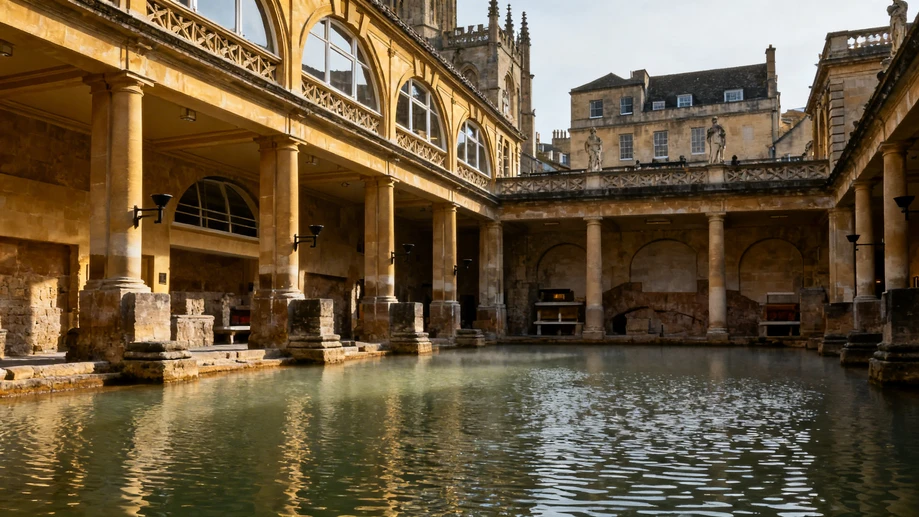
Nestled in the picturesque city of Bath, England, the Roman Baths stand as a testament to centuries of human ingenuity and allure. This UNESCO World Heritage site is not merely a relic but a living narrative that draws thousands annually, its serene ambiance and intricate architecture transporting visitors back to an era of imperial grandeur. As you step through the entrance, the air fills with the faint scent of minerals, hinting at the thermal waters that have bubbled from the earth for over two millennia. Yet, beyond its visual splendor, the site offers a profound connection to the past, sparking curiosity about how such an advanced civilization thrived in this corner of Britain. This exploration begins with the sheer scale of the complex, where colonnaded walkways and statues of deities evoke a sense of divine reverence.
However, to fully appreciate the Roman Baths, one must delve into its historical origins around 60-70 AD, when Roman engineers harnessed natural hot springs to create a sanctuary of health and society under the reign of Emperor Claudius. They designed the baths not just for hygiene but as a hub for social and political gatherings, complete with temples and healing centers, reflecting their belief in the therapeutic powers of the mineral-rich waters. This ambitious project symbolized Rome's dominance over the Britons, serving as a cultural melting pot where locals and soldiers mingled. Astonishingly, archaeologists have uncovered evidence that the complex was maintained for over 300 years, even after Roman withdrawal, showcasing its enduring significance. Today, remnants like the Great Bath, with its original lead lining, offer silent testimony to the engineering prowess that defied the ages.
Moreover, a fascinating detail that often escapes casual visitors is the constant 46°C temperature of the thermal springs, a natural phenomenon sustained by rainwater seeping through limestone aquifers deep underground. This geothermal energy heats the water over millennia, creating a unique ecosystem where minerals like calcium and sulfate foster buoyant, skin-soothing properties. Historically, Romans attributed this warmth to the goddess Sulis Minerva, believing it held magical healing abilities—a belief backed by modern science showing its benefits for rheumatism. This little-known fact underscores how the site seamlessly blends myth and reality, as the waters continue to flow unaltered, untouched by modern pumps or interventions. Such natural continuity adds a layer of wonder, making each visit a personal encounter with Earth's hidden forces.
In contrast to its ancient roots, a tour of the Roman Baths today is an immersive experience that caters to all senses. Visitors can wander through the excavated ruins, peering into the Sacred Spring where offerings were once cast, or explore the museum's interactive exhibits displaying artifacts like curse tablets—personal pleas etched onto lead. The airy, open-air layout allows for unhurried strolls, with informative plaques narrating stories of past rituals and daily life. Especially during quieter hours, the absence of crowds amplifies the site's mystical aura, inviting reflection on how such a place has evolved from a bustling Roman center to a peaceful retreat. Enhanced by audio guides, the journey becomes not just educational but emotionally resonant, as tales of gladiators and pilgrims unfold against the backdrop of steaming waters.
Ultimately, the enduring appeal of the Roman Baths lies in its ability to bridge epochs, reminding us that history is an ongoing dialogue rather than a static relic. As a cornerstone of Bath's identity, it influences local culture, from architecture to tourism, yet remains a beacon of sustainability, with conservation efforts ensuring its survival for future generations. On departing, many feel a renewed appreciation for human resilience and the earth's gifts, carrying home memories that linger like the steam rising from the ancient pools. Thus, this iconic landmark transcends mere sightseeing, offering a timeless portal into our shared heritage.