
Have You Ever Felt Truly Small Before the Grand Canyon?
Standing on the Edge of This Natural Wonder Will Change Your Perspective Forever
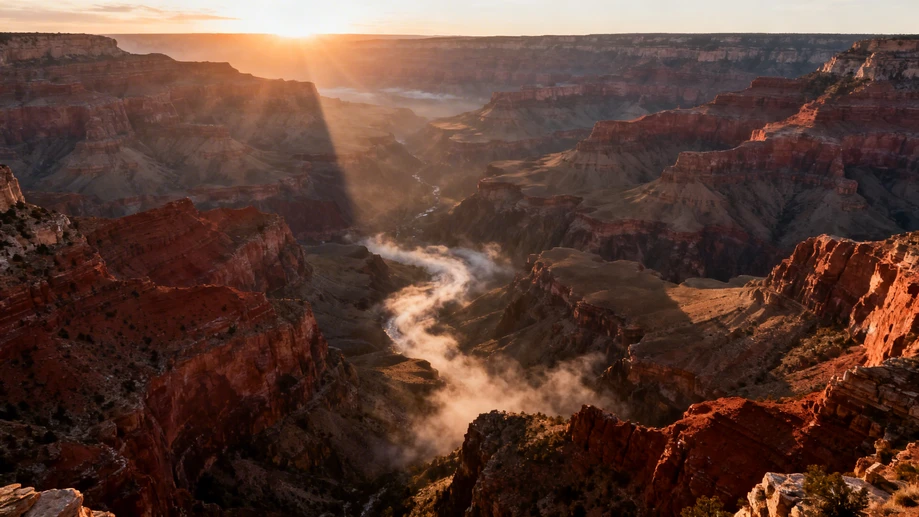
Imagine stepping towards the edge, the dry Arizona air brushing your face, and then... it unfolds. A vast, impossible chasm of layered rock, stretching further than the eye can see in hues of fiery red, deep ochre, and soft purple. The Grand Canyon isn't just a hole in the ground; it's a visceral encounter with the sheer scale and patient power of geological time. That first glimpse, often rendered silent in photographs, rarely captures the profound sense of awe, the almost dizzying feeling of insignificance that washes over you. It’s nature’s cathedral, built not by hands but by the relentless flow of the Colorado River over millions upon millions of years.
Yet, the Canyon is far more than a static monument. Its beauty is dynamic, shifting dramatically with the light. Arrive before dawn, wrapped against the desert chill. The eastern rim begins to glow, a soft blush creeping over the distant peaks. As the sun breaches the horizon, it ignites the canyon walls in a breathtaking spectacle. The muted colours transform into vibrant bands of crimson, gold, and orange, revealing intricate details invisible moments before. Shadows retreat, deepening the gorges and highlighting the complex, sculpted architecture of buttes, mesas, and temples. This daily rebirth is a performance not to be missed, a reminder of the Earth’s constant, subtle transformations.
But the true spirit of the Grand Canyon isn't fully grasped from the rim alone. To understand its immensity, one must venture down, even if just a little way. Descending trails like the popular Bright Angel Trail immediately immerses you in a different world. The air grows warmer, the scale becomes tangible as towering walls rise around you. You notice the subtle changes in vegetation – from pinyon pines and junipers near the top to hardy desert scrub further down. The silence deepens, broken only by the crunch of gravel underfoot, the call of a raven, or the distant, persistent murmur of the Colorado River, a constant reminder of the sculptor at work. This intimate perspective reveals the Canyon’s intricate layers, each band a chapter in Earth’s history book, whispering tales of ancient seas, shifting deserts, and volcanic fury. A fascinating little detail often overlooked? The very rocks you see eroding were once deposited *beneath* an ocean that vanished eons ago.
While the South Rim offers the classic, easily accessible views and amenities, the journey to the North Rim is a rewarding detour for those seeking a quieter communion. Higher in elevation and receiving more precipitation, it feels distinctly different – cooler, greener, with forests of aspen and spruce. The views across the canyon to the South Rim are equally staggering but offer a fresh perspective, feeling more remote and wild. The drive itself is an adventure, winding through forests and meadows. The relative seclusion here allows for a deeper sense of solitude, a chance to feel the profound quietude of this ancient landscape without the bustle found on the opposite side.
Ultimately, the Grand Canyon transcends mere sightseeing. It challenges our perception of time and scale. Those layers of rock represent nearly two billion years of Earth's history laid bare. Standing before it, contemplating the patient persistence of water carving through solid rock grain by grain, year after year, millennium after millennium, puts human existence into humbling perspective. It’s a place that inspires reflection, evokes wonder, and instills a profound respect for the natural world. It’s not just a destination; it’s an experience that etches itself onto your soul, a powerful reminder of our place within the grand, unfolding story of the planet. You leave not just with photographs, but with a shifted sense of self within the vastness of time.