
Three unrushed sunlit days exploring Bergen’s pastel harbors, hidden foraging spots and quiet Nordic local hangouts
Skip overcrowded tourist traps and follow this laid-back itinerary to savor fresh wild seafood, hike scenic mountain lookouts and soak up authentic low-key Nordic daily life
The moment you step out of Bergen’s small regional airport, you will be hit by a crisp, salt-kissed breeze that carries traces of wild heather and cold glacial water, no heavy exhaust fumes or loud traffic noise to break the quiet softness of the air. Most first-time visitors rush straight to the central waterfront fish market the second they drop their bags, pushing through crowds to buy overpriced pre-packed seafood dishes that taste nothing like the real local offerings. If you set your alarm for 6 a.m. on your first day and walk 10 minutes west of the main tourist dock, you will find small wooden jetties where local fishing boats tie up directly to unload their daily catch, selling buckets of freshly boiled shrimp, whole steamed crabs and small plump mussels at a fraction of the price you see downtown. You can stand on the weathered wooden planks and peel the shrimp straight out of the paper bag, their sweet briny juice bursting across your tongue as seagulls glide low over the water just a few feet away.
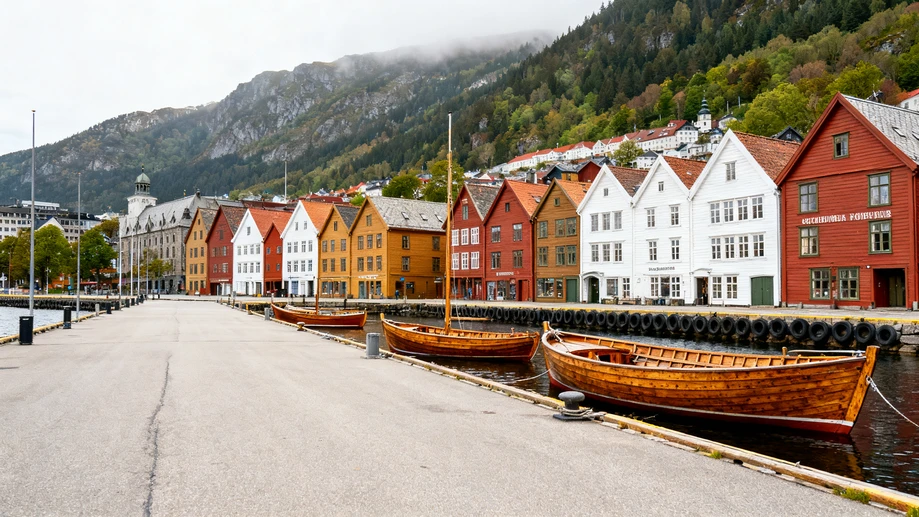
After you finish your quick waterfront breakfast, you can wind your way up the narrow cobblestone alleys that run behind the historic wooden wharf district, avoiding the main boardwalk lined with souvenir shops that sell identical knit sweaters and fridge magnets to every traveler that walks past. The residential alleys that slope gently upward are dotted with small wooden homes painted in soft butter yellow, dusty sky blue and muted rose pink, their small front porches lined with potted wild strawberries, blooming lavender and hand-carved wooden bird feeders that hang from the eaves. You will very rarely run into other tourists in these sections, and if you stop to watch a stray cat curl up on a sun-warmed windowsill, local residents walking their small fluffy dogs will give you a soft, friendly nod instead of the guarded looks you get in crowded commercial zones. Follow the small unmarked stone staircase that leads further up the hillside, and you will reach a wide level trail that runs along the mountain ridge, with no entry tickets, no crowded viewing platforms, and nothing to block your view of the entire harbor spread out far below you.
Most generic travel guides will tell you to pack multiple layers of heavy rain gear and a large sturdy umbrella to cope with Bergen’s famously frequent light rain, but there is a small little-known local quirk that almost no outside visitors get told about. Almost no local resident in the entire city ever carries or uses an umbrella on a regular basis, as the unobstructed strong sea wind that blows across the harbor almost every day will flip the metal ribs of even the thickest, most expensive umbrella inside out within seconds, often tearing the fabric completely apart. Instead of fumbling with a useless umbrella, every local keeps a thin, tightly packed waterproof windbreaker stuffed in their pocket or backpack, which weighs almost nothing and can block even constant light rain and strong gusts of wind completely. If you walk down a drizzly street holding a fully opened umbrella, you will notice nearby locals giving you quiet amused little smiles, and many will even stop to gently warn you about the sudden gusts that can appear out of nowhere along the waterfront.
When the sun starts to sink low in the late afternoon, you do not need to book a table at any of the highly recommended, overpriced waterfront restaurants that serve pre-made tasting menus tailored exclusively for tourists. Walk 15 minutes inland from the main wharf area into the quiet residential neighborhood of old white clapboard homes, and you will find small casual neighborhood eateries that have been run by the same families for multiple generations, with handwritten menus taped to the front door that have no photos of dishes to lure passing visitors. For less than the price of a single entry ticket to most tourist attractions, you can get a plate of slow-baked fresh cod served with buttery boiled potatoes and a side of tangy wild pickled cucumber, topped with a handful of fresh wild dill picked that very morning. You can sit by the large front window of the eatery and watch groups of local teenagers bike past on their way back from a casual beach trip, their pockets stuffed with foraged wild blueberries they picked on the nearby hillsides.
On your last full day in the city, skip the crowded public sightseeing ferries that run full of day trippers every hour, and buy a cheap ticket on the small local commuter ferry that stops at tiny uninhabited islets scattered a short distance out in the fjord. You can step off on one of the smallest islands, where the only manmade structures are a few old stone storage sheds left over from old fishing trips, and spend two or three hours wandering across soft thick carpets of green moss, stepping around plump wild sheep that graze slowly on the low grass and never run away from passing visitors. There are no marked trails, no signposts and no trash bins on these small islands, so you can wander wherever your feet take you, sit on a smooth sun-warmed rock and watch the slow moving boats drift across the calm blue water, and let all the stress of your daily life fade away completely into the soft quiet of the Nordic nature around you.