
Three perfect low-budget travel days wandering through historic lanes and hidden underrated spots in Yogyakarta
Skip overpriced crowded tourist traps and follow local insider routes to taste genuine street food, explore millennium-old temples and soak in gentle tropical sunshine on a tight budget
The second you step off the small domestic flight at Yogyakarta’s local airport, you will feel a soft, warm tropical breeze wrap around you, carrying the faint sweet scent of jasmine from nearby community gardens. Unlike the bustling, traffic-clogged streets of nearby big Indonesian cities, the whole city moves at a slow, unrushed pace, no one honks their horn impatiently at pedestrians crossing the road, and vendors at every street corner will greet you with a warm, unforced smile even if you do not buy anything from their stalls. You do not need to book a fancy pre-planned tour to enjoy this city, the best parts are hidden in the narrow side alleys 20 meters away from every main tourist street, where local families hang their freshly washed clothes out to dry between wooden houses, and elderly women sit on their front porches selling hand-dyed batik fabrics for less than a tenth of the price marked at downtown souvenir shops. Spend your first full day wandering these alleys at your own pace, pop into small unmarked cafes to order a cup of locally grown dark coffee roasted over coconut husk fire, and you will notice most of the other customers are local university students typing on their laptops or chatting with their friends over iced palm sugar drinks.
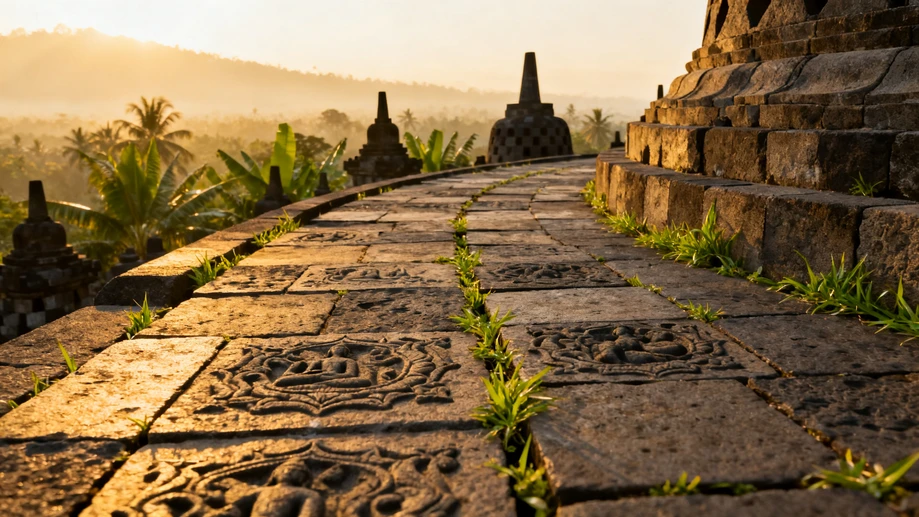
On your second day, set your alarm for 4 a.m. and head to the low grassy hillside just a 15-minute walk away from the main entrance of Borobudur, instead of paying three times more for the official sunrise tour package that herds hundreds of tourists onto the temple platform all at once. The faint pink and gold hue of the sunrise will paint the top tier of the stupa before the sun peeks over the distant horizon, and by the time you walk down the gentle slope to enter the temple grounds, most of the large tour groups will still be queuing at the main ticket gate, leaving you almost entirely alone to wander the carved stone reliefs across the different tiers of the structure. The little known small fact about this site is that no adhesive or cement was used in the entire construction process, all the thousands of huge stone blocks are locked together via precisely carved interlocking notches, which has let the whole building survive dozens of strong earthquakes and hundreds of years of tropical storms without complete structural collapse. You can spend three whole hours tracing the tiny, detailed carvings that tell old folk stories and historical narratives, and you will not run out of new small details to notice no matter how slowly you walk.
After you finish exploring the temple at midday, skip the crowded chain restaurants right outside the site and take a 40-minute local public minibus south towards the coastline, where you will find a stretch of hidden rocky shore that almost no foreign visitors know about. There are no loud beach bars, no overpriced sun loungers for rent, just smooth grey volcanic rock formations, clear turquoise sea water, and small family run stalls selling fresh grilled corn cobs slathered with spicy palm butter for less than 50 U.S. cents each. You can rent a simple small wooden boat to take you to a tiny uninhabited islet a few hundred meters off the shore, where you can walk barefoot on the soft white sand and collect smooth seashells that no one else has ever picked up. As the sun sets over the Indian Ocean, you will see groups of local teenagers flying huge, elaborately hand-painted kites high up in the sky, the thin strings humming softly in the sea wind as the whole sky turns a deep orange and soft purple.
When you head back to the city center as the sky turns dark, you will find that all the main streets have been lined up with small mobile food stalls that roll out every evening, offering all kinds of local traditional dishes at extremely affordable prices. A whole plate of marinated grilled chicken skewers with warm peanut sauce, a bowl of thick savoury noodle soup with fresh herbs, and a cold sweet drink made from mung bean and coconut milk will cost you less than 2 U.S. dollars total, and you can sit on the small low plastic stools along the side of the road to eat alongside local office workers, students and families. No one will try to overcharge you, no one will pressure you to buy extra items you do not want, all the vendors use the same publicly posted price lists that every local resident is already familiar with, so you never have to waste time haggling for every small item. Many people who originally planned to stay in Yogyakarta for three days end up extending their trips for an extra week, just because they never expected to find such a comfortable, welcoming, uncommercialized travel destination that lets you slow down and truly enjoy every moment of your trip.