
Why This Heartbreaking Lion Sculpture Is Switzerland’s Most Hopeful Monument
Discover the profound story of resilience and peace carved in stone within Lucerne's unexpected treasure.
Nestled within a serene park in the heart of Lucerne, a city famed for its charming Chapel Bridge and vibrant waterfront, lies a monument that at first glance seems profoundly melancholic. Carved directly into a sheer face of sandstone rock, the imposing figure of a mortally wounded lion rests, a spear protruding from its side, its noble head bowed in sorrow. The raw emotion captured in the stone is palpable, often prompting hushed reverence or even tears from visitors unprepared for its raw power. Yet, to interpret this masterpiece, the Lion Monument (Löwendenkmal), solely as a symbol of despair is to miss its deeper, enduring message of sacrifice and the fervent hope for lasting peace.
Created in 1820-21 by the Danish sculptor Bertel Thorvaldsen and hewn by the stonemason Lukas Ahorn, this colossal work is far more than art; it's a poignant historical memorial. It commemorates the loyalty and ultimate sacrifice of the Swiss Guards who perished defending King Louis XVI of France during the tumultuous storming of the Tuileries Palace in Paris on August 10, 1792. Trapped and vastly outnumbered, approximately 760 Swiss Guards were killed fighting or executed after surrendering, while protecting a monarch whose cause was already lost. The monument, funded by private donations from Swiss officers, serves as an eternal, silent tribute to their unwavering courage and fidelity. The inscription above the lion, "HELVETIORUM FIDEI AC VIRTUTI" (To the loyalty and bravery of the Swiss), underscores these core values. Did you know that the rock face into which the lion is carved is actually a remnant of a former sandstone quarry that once supplied building material for the city?
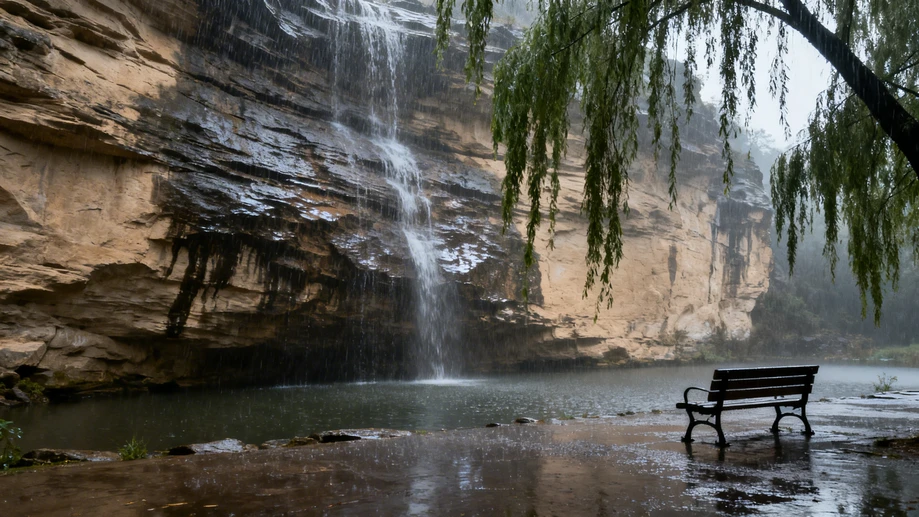
Artistically, the monument is a marvel of emotional expression within the neoclassical style. The dying lion, depicted not in a ferocious roar but in quiet, dignified suffering, lies in a hollowed-out niche. Water trickles gently down the cliff face into a reflecting pool at the base, adding a layer of sombre tranquility and perhaps symbolizing tears or the passage of time. Cracks and flaws visible in the rock itself become part of the narrative, adding to the sense of age, vulnerability, and natural beauty framing the tragic scene. The mastery lies in how Thorvaldsen transformed solid rock into an image of profound softness and tragic vulnerability, making the stone seem to weep. Its impact was immediate and lasting; Mark Twain famously described the Lion of Lucerne as "the most mournful and moving piece of stone in the world."
While the Lion Monument might be Lucerne’s most emotionally resonant single site, the city itself offers a vibrant counterpoint. Stepping out of the quiet park surrounding the sculpture, visitors are greeted by the lively pulse of a city cradled by mountains and Lake Lucerne. The iconic, flower-adorned Chapel Bridge (Kapellbrücke), Europe’s oldest surviving truss bridge with its unique water tower, invites leisurely strolls while offering stunning water and mountain views. Wandering the well-preserved medieval Musegg Wall, complete with its nine distinctive towers, provides panoramic vistas across the city’s terracotta rooftops towards the shimmering lake and the dramatic peaks of Mount Pilatus and Rigi beyond. Boat trips across the pristine fjord-like lake offer a different perspective, revealing grand villas nestled on the shores and inviting glimpses of alpine grandeur.
Returning to the Lion Monument after exploring the city’s lively charms provides a moment for deeper reflection. Its initial sorrow gives way to a complex understanding. It is a visceral reminder of the brutal cost of conflict, a universal lament for lives cut short. But crucially, it also stands as a powerful testament to human virtues—loyalty, bravery, duty—even in the most desperate circumstances. The lion's quiet dignity in the face of death transforms the monument from a mere memorial to a fallen past into a timeless, almost meditative plea. It silently implores those who stand before it to remember the price paid and to choose, always, the path towards reconciliation and enduring peace over the brutality of war.
More than just a stop on a tourist itinerary, the Lion Monument in Lucerne is an indelible encounter with history, art, and the enduring human spirit. It challenges visitors to look beyond the immediate sadness, to find within the stone the resilience born from sacrifice, and to carry forward the lion’s unspoken yet thunderous message: that true courage can lie in laying down arms, and that hope, forged in the crucible of loss, is the most potent monument of all. In the very depiction of death and defeat, it offers a strange, profound kind of solace and a timeless call for peace that resonates far beyond the quiet park in Lucerne.