
Prague Whispers Its Secrets Through Cobblestone Alleys
Uncover hidden courtyards, Gothic spires, and the real story behind the Astronomical Clock in this fairytale city
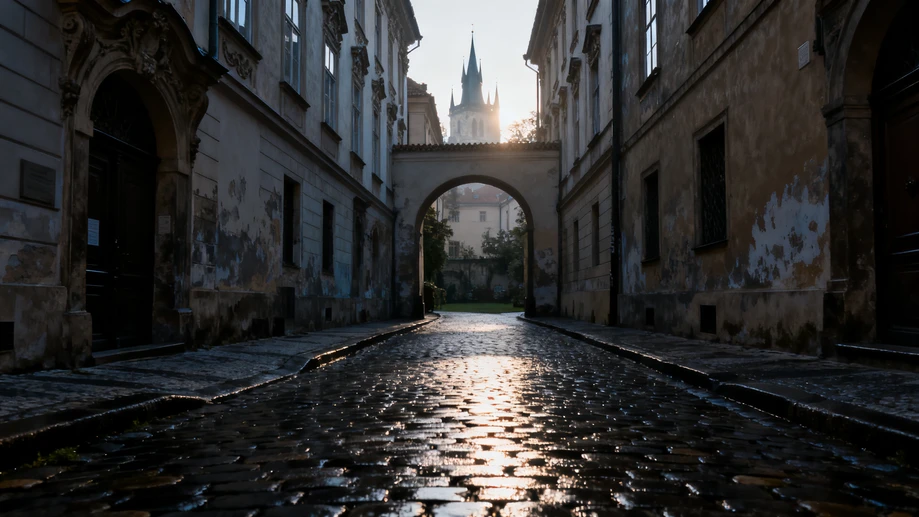
Stepping into Prague feels like tumbling headfirst into a living storybook where every street corner holds a centuries-old tale. The city doesn't just display its history; it hums with it, a low murmur rising from the uneven, polished cobblestones beneath your feet. Look up, and a dizzying spectacle greets you: a skyline pierced by countless Gothic church spires, Baroque domes, and intricate copper roofs glowing green with age, all bathed in the soft, golden light that gives the 'City of a Hundred Spires' its magical glow. It’s impossible to walk the labyrinthine streets of the Old Town without feeling the palpable weight of time and artistry.
Your journey must inevitably lead you to the Old Town Square, the magnificent heart of Prague. Here, amidst bustling cafes and the imposing Gothic towers of the Church of Our Lady before Týn, stands the city's most famous citizen: the Astronomical Clock. Every hour, crowds gather to witness its intricate performance. However, beyond the dancing apostles and the skeletal figure of Death chiming the hour lies a truly remarkable tale of resilience. Few realise that during the desperate final days of World War II, Nazi forces targeted the ancient mechanism for destruction. Yet, Prague's defiant citizens risked everything, secretly removing and hiding vital parts of the clock in basements and attics across the city. This astonishing act of preservation allowed the Orloj, as it’s locally known, to tick back to life after the conflict, its hands once again measuring time against the backdrop of the city it defines.
Bridging the history-rich districts of the Old Town and the Lesser Town (Malá Strana), the Charles Bridge is far more than just a river crossing; it’s an open-air gallery and a stage for daily life. Cross it early in the morning, when the mist still clings to the Vltava River and the sun casts long, dramatic shadows, and you’ll experience its true magic. The procession of thirty Baroque statues lining the balustrades, weathered saints gazing solemnly over the water, creates an almost sacred atmosphere. Furthermore, what makes the bridge truly captivating is its constant hum of activity: talented street musicians filling the air with melodies, local artists capturing the skyline, and the simple, profound pleasure of pausing to gaze at Prague Castle looming majestically on the hill beyond.
Speaking of Prague Castle, claiming the title of the largest ancient castle complex in the world, it demands exploration. The climb up through the picturesque, sloping streets of Malá Strana is part of the adventure, offering stunning glimpses back over the red rooftops towards the Old Town. Once within the castle walls, prepare for sensory overload. The breathtaking St. Vitus Cathedral, with its soaring stained glass windows including the famed Art Nouveau masterpiece by Alfons Mucha, dominates the skyline. Wander through the charming Golden Lane, a row of tiny, colourful medieval houses once home to castle guards and goldsmiths, now housing artisan shops showcasing traditional crafts like Bohemian crystal and intricate marionettes. The castle grounds offer panoramic views that are utterly unforgettable.
Beyond the monumental sights, Prague's charm flourishes in its hidden corners and quieter moments. Dive into the network of secluded inner courtyards accessible through unassuming archways off the main streets; these often reveal peaceful gardens or charming cafes beloved by locals. Discover the unique cubist architecture dotted around the city, a distinctive Czech contribution to early 20th-century design. Moreover, satisfy your appetite with hearty Czech staples beyond the tourist traps. Seek out traditional taverns, known as 'hospoda', for generous plates of tender roast pork knuckle ('vepřové koleno'), served with tangy sauerkraut and dumplings ('knedlíky') soaking up the rich gravy. Don't miss trying 'trdelník', the sweet, chimney-shaped pastry coated in sugar and nuts, a delicious indulgence while wandering.
Visiting Prague requires a little strategy for the best experience. While the historic centre is wonderfully walkable, comfortable shoes are non-negotiable due to the ubiquitous cobblestones. The efficient tram system is excellent for reaching outer districts or saving tired legs. Consider timing your visit slightly outside the peak summer frenzy; late spring and early autumn offer pleasant weather, fewer crowds, and a more authentic atmosphere. Be prepared for the city's unique character: service can sometimes be brisk, a legacy of the communist era, but patience and a polite 'dobrý den' (good day) go a long way.
Ultimately, Prague captivates not merely through grand monuments, but through whispers. It’s the echo of footsteps on centuries-old stones, the taste of fresh Pilsner in a dimly lit tavern, the intricate detail on a forgotten facade, the sudden, breathtaking view opening up from a narrow lane. This is a city that rewards the curious wanderer, the one who pauses to listen to its cobbled streets and ancient stones. It’s a place where Gothic grandeur meets intimate charm, where history is tangible, and every walk promises the discovery of a hidden story. Let Prague’s subtle magic envelop you; its secrets are waiting patiently in the alleys, just beyond the main square.