
Edinburgh Castle Guards Secrets That Echo Through the Ages
Uncover the fascinating tales and historical significance of this majestic fortress perched atop an ancient volcano in Scotland's heart
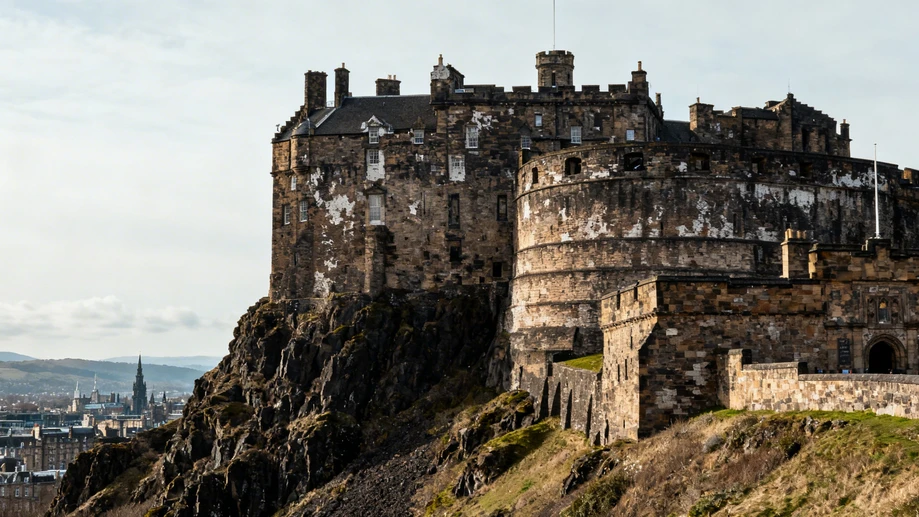
Perched dramatically on Castle Rock, Edinburgh Castle stands as a sentinel over Scotland's capital, its ancient stones whispering stories of battles, royalty, and intrigue that have shaped the nation for over a millennium. This iconic landmark isn't just a tourist attraction; it's a living chronicle where every turret and corridor holds echoes of the past, drawing visitors into a world where history feels palpably alive. From its strategic position atop an extinct volcano, the castle offers panoramic views of the city below, a reminder of why it was once the most contested fortress in British history. As you approach its imposing gates, the sense of stepping back in time is immediate, with the wind carrying tales of warriors and kings who once walked these very grounds.
Delving deeper, the castle's history unfolds like a gripping epic, beginning in the Iron Age and evolving through centuries of conflict and transformation. Originally fortified by early inhabitants, it became a royal residence in the Middle Ages under King David I, only to be repeatedly besieged during the Wars of Scottish Independence. Here, Mary, Queen of Scots, gave birth to James VI in 1566, an event that altered the course of British monarchy. Yet, amidst the grandeur, the castle also served as a grim prison during the 18th century, housing captives from the Jacobite rebellions. This duality of splendor and sorrow weaves a rich tapestry, inviting exploration of how resilience and reinvention have kept the fortress standing through turbulent times.
Inside, the architecture reveals masterpieces of medieval design, such as St. Margaret's Chapel, Scotland's oldest surviving building, where simple stone arches create an aura of timeless serenity. Visitors can marvel at the Crown Room, home to the Honours of Scotland—the crown, sceptre, and sword of state—that survived hidden for centuries after the Union of Crowns. One fascinating little-known fact is that the castle houses a dedicated dog cemetery, established in the 19th century for regimental mascots and military working dogs; this unique feature underscores the deep bonds between soldiers and their loyal companions, a poignant reminder of the human stories behind the stones. Each corner, from the Great Hall with its vaulted ceiling to Mons Meg, a colossal 15th-century siege gun, tells a visual story of innovation and endurance.
For modern explorers, the castle offers an immersive journey, with guided tours revealing hidden chambers and interactive exhibits that bring history to life. Attend the daily One O'Clock Gun firing, a tradition since 1861 that once helped ships set their maritime clocks, or time your visit to coincide with the Royal Edinburgh Military Tattoo, where performances on the esplanade transform the fortress into a stage of cultural celebration. However, navigating the steep pathways and narrow stairs requires sturdy shoes, but the reward is unparalleled—whether it's absorbing the haunting atmosphere of the prison vaults or enjoying a hot Scotch pie in the courtyard café. This blend of education and entertainment ensures that every guest leaves with a deeper appreciation of Scotland's heritage, making it a must-visit for families and history buffs alike.
Ultimately, Edinburgh Castle is more than a monument; it's a testament to the enduring spirit of Scotland, where the past resonates in the present. As you depart, gazing back at the silhouette against the sky, the castle's secrets continue to beckon, promising that future visits will unveil new layers of its enigmatic narrative. Such timeless allure ensures that, century after century, this fortress remains not just a relic, but a vibrant heart of cultural identity.