
Spend Two Weeks Wandering Lesser-Known Corners of Southern Africa to Catch Once-In-A-Lifetime Wild and Cultural Encounters
Skip overcrowded national park tourist buses and generic resort itineraries, sample authentic local life and hidden natural spots that make your southern Africa trip far more memorable than standard travel packages
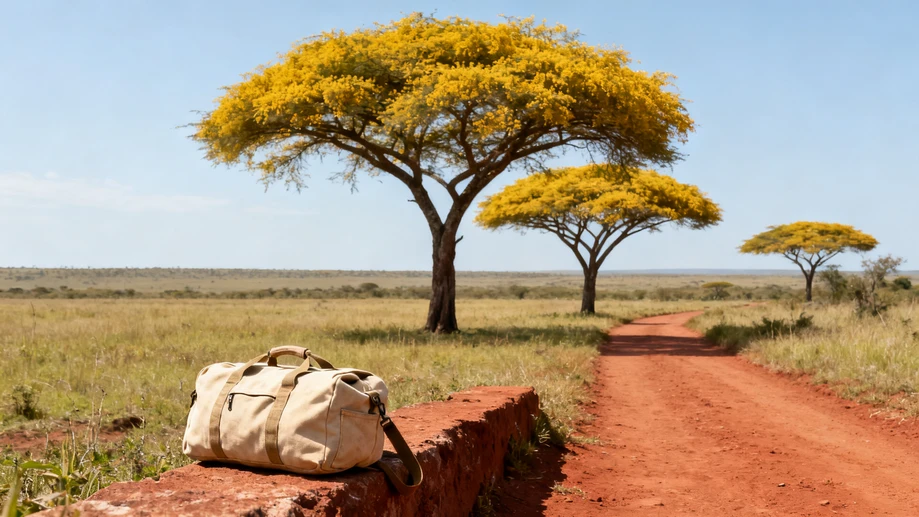
Most first-time travelers to southern Africa rush to book pre-arranged game drive tours in the most famous national parks, where rows of open safari vehicles line up at popular waterholes for hours to catch a glimpse of lions or elephants. You can skip all that unnecessary queuing and crowd interference by arranging a connecting flight from the regional international hub straight to small, community-managed conservation areas that only welcome a handful of visitors each week. The dirt runways here sit right at the edge of vast, unspoiled savanna, and your accommodation will be simple thatch-roofed huts tucked between acacia trees, no loud generator noise or bright neon signs to disturb the wild creatures that wander through the property after sundown. You can start your first morning with a slow guided walking safari instead of a bumpy car ride, where your local guide will point out tiny details you would never spot from a moving vehicle: the spiral patterns on a snail’s shell left on a termite mound, the faint smell of wild jasmine climbing acacia trunks, and the fresh paw prints of a leopard that passed through the camp just a few hours before you woke up.
After spending two full days wandering the savanna trails, you can drive 40 minutes north to a small traditional village that lies right on the border of two neighboring countries, where very few international tourists have ever set foot. The village offers basic homestay spots run by local families, where you will eat the same meals the villagers prepare for themselves, sit on hand-carved wooden stools around open cooking fires after dark, and listen to elders share oral histories that have been passed down for hundreds of years. There is one small but critical local tip every guide will share with you before you head out for forest walks outside the village: you should never wear dark navy blue or pure black fabric during daytime walks along the riparian woodlands near the local river, because these specific shades are known to attract local tsetse flies far more strongly than light khaki or pale beige clothing, and their bites can cause uncomfortable swelling that ruins days of your trip. Most visitors who follow this simple rule barely notice any flies at all during their time in the area, and they can spend hours helping local farmers harvest seasonal fruits or walk to the shallow river to watch children fish with hand-woven reed nets without any unnecessary discomfort.
Many travelers rush to return to the capital city for their return flight after their savanna experience ends, but you can extend your itinerary for three more days by taking a slow public minibus east to a quiet stretch of coastline that sees barely a hundred visitors a year. The shore here has no large resort buildings, no jet skis for rent, and no crowded beach bars, only clusters of small wooden huts built by generations of local fishing families, and shallow lagoons with bright turquoise water that stretches for miles when the tide recedes. You can hire a small hand-carved dugout canoe from a local fisherman for less than the cost of a single meal at a tourist restaurant, and paddle out through the lagoon channels at high tide to watch pods of humpback dolphins swim right alongside your boat, their fins glinting in the bright afternoon sun. At low tide the next morning, you can walk for three kilometers out across the exposed sand flats to collect fresh shellfish that local people have been harvesting sustainably for centuries, then bring your finds back to your homestay host who will cook them over an open fire with fresh coconut cream for a simple, unforgettable feast.
There are a few small practical tricks that will make your entire trip run far smoother, even if you do not stick to a strict pre-planned schedule. You do not need to exchange huge amounts of cash for local currencies, because most small businesses across the region accept the widely circulated common regional currency that works across multiple southern African nations, so you never have to worry about running out of usable money when you cross informal internal borders between different villages and conservation areas. You should also leave most of your fancy travel gear at home: the only non-medical supplies you absolutely need are a wide-brimmed sun hat, a pair of tough closed-toe hiking boots, and a lightweight waterproof jacket that can stand up to sudden afternoon thunderstorms that roll in over the savanna without warning. It is also wise to leave at least two full unplanned buffer days in your itinerary, because small charter flights to remote areas often get delayed by unexpected weather, and rushing to make a strict connection will make you miss the small, unplanned magical moments that make African travel so special.
By the time you board your return flight home, you will leave with far more than a camera roll of standard wildlife photos that every other tourist brings back from their African trip. You will carry the memory of the sound of distant lion roars waking you up before sunrise, the taste of freshly brewed traditional maize beer shared around a fire with local villagers, and the sight of the Milky Way stretching unbroken across the dark sky with zero light pollution to dim its glow. Slow, low-impact travel that prioritizes local communities over crowded tourist attractions will not only leave you with far more meaningful memories, it will also put your travel dollars directly into the pockets of people who protect the wild spaces and cultural traditions of southern Africa every single day, turning your trip into a small, positive contribution to the places you visit rather than just a passive vacation experience.