
Discover the Timeless Grandeur of Luxor Temple in Egypt's Ancient Heartland Where History Comes Alive
An immersive journey through one of Egypt's most iconic monuments, revealing its secrets and splendor for modern travelers seeking adventure.
Nestled on the east bank of the Nile River in the vibrant city of Luxor, the Luxor Temple stands as a breathtaking testament to ancient Egyptian ingenuity. Unlike the isolated desert pyramids, this temple complex is woven into the fabric of modern life, offering a unique blend of past and present. As you approach its colossal entrance, flanked by towering statues of Ramses II, you're immediately struck by the sheer scale of human achievement. The temple was primarily built during the New Kingdom period, around 1400 BCE, under the reign of pharaohs like Amenhotep III and Ramses II, serving as a center for religious festivals and royal ceremonies. Today, it remains a magnet for visitors from across the globe, drawing them into a world where gods and pharaohs once walked. Moreover, the site's strategic location near the bustling corniche allows you to witness daily life unfolding against this ancient backdrop, creating a vivid contrast that enhances its allure.
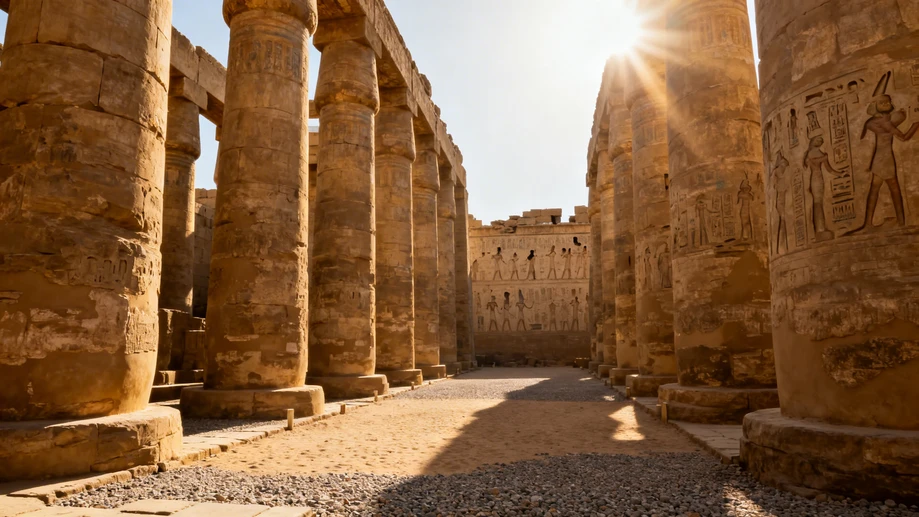
Transitioning from the initial awe, the architectural brilliance of Luxor Temple unfolds in layers, each revealing deeper stories of Egypt's golden age. The complex is designed as a processional route, starting with the Avenue of Sphinxes that once connected it to Karnak Temple over two miles away. Walking through the first pylon, you enter a courtyard adorned with intricate hieroglyphs depicting scenes of divine offerings and military victories. What makes this temple particularly fascinating is its evolution; it wasn't built in a single era but expanded over centuries, incorporating elements from different dynasties. For instance, the colonnade of Amenhotep III features 14 towering papyrus columns, each meticulously carved with floral motifs that symbolize rebirth and eternity. Similarly, the inner sanctuaries, such as the birth room, showcase delicate reliefs illustrating the pharaoh's divine origins. This continuous expansion underscores the temple's enduring significance, evolving from a pharaonic sanctuary to later adaptations under Roman and Christian rule, adding a rich tapestry of cultural influences.
Interestingly, while many ancient sites are shrouded in mystery, Luxor Temple offers a random but fascinating fact: it was one of the few monuments where nighttime illumination was common in antiquity. Archaeologists have discovered evidence of oil lamps and reflective surfaces used to light ceremonies after dark, creating dramatic shadows that enhanced the spiritual experience. This ingenious use of light adds a layer of intimacy to your visit, especially during evening tours when modern lighting recreates this ethereal atmosphere. As you explore further, the temple's open-air design ensures that sunlight filters through the columns, casting dynamic patterns on the sandstone walls. Beyond the visual spectacle, the acoustics within the hypostyle hall amplify whispers, a feature that would have resonated during ancient rituals. Consequently, standing in these sacred spaces today, you can almost hear echoes of chanting priests, transporting you back millennia in an immersive sensory journey.
Visiting Luxor Temple isn't just about observing ruins; it's a participatory adventure that engages all senses. Start your tour early in the morning to beat the crowds and the intense heat, allowing you to wander freely through the courtyards and chapels. The best times are from October to April, when temperatures are mild, and the soft light enhances the carvings' details. As you meander, notice how the temple integrates with nature—pigeons nest in the crevices, and Nile breezes rustle through the palms, offering moments of serene reflection. Moreover, the site is easily accessible, with guided tours available in multiple languages to decode its stories, or you can opt for a self-paced exploration using audio guides. After your visit, stroll along the nearby riverbank to absorb the broader context, where feluccas sail past and locals sell souvenirs. This holistic experience turns a simple sightseeing trip into a profound connection with history, making it unforgettable.
In conclusion, Luxor Temple stands not merely as a relic but as a living bridge to antiquity, reminding us of humanity's shared heritage. It has weathered invasions, sandstorms, and millennia of change, yet its majestic presence continues to inspire awe. For travelers, it offers a perfect starting point to delve into Egypt's rich past, with the Karnak Temple complex just a short distance away. Whether you're a history buff or a casual adventurer, this monument promises a journey of discovery, where every stone tells a story and every visit leaves an indelible mark on the soul. Ultimately, it calls us to preserve and cherish such wonders, ensuring they endure for generations to come.