
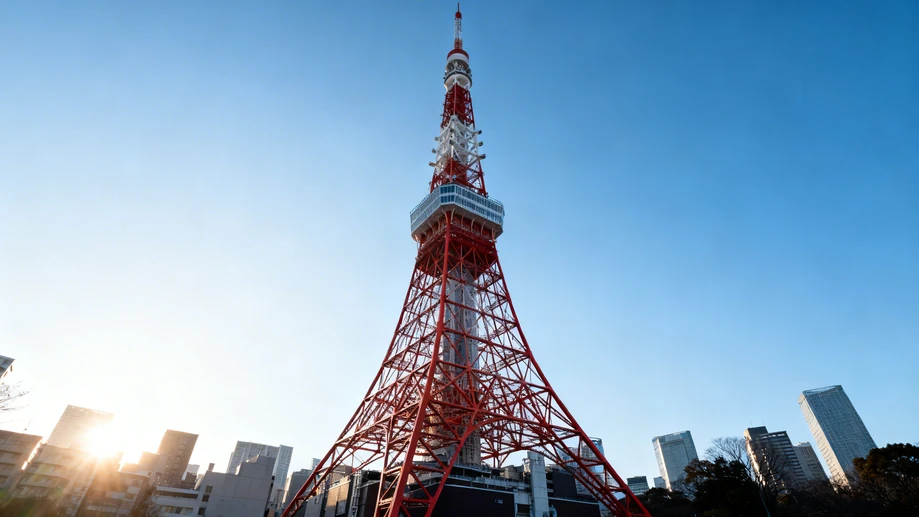
Tokyo Tower Stands Tall as a Beacon of History and Modern Wonder
Beyond its iconic red and white frame lies a story of resilience and breathtaking urban vistas waiting to be discovered.
Rising 333 meters above the bustling streets of Tokyo, the iconic lattice structure paints the skyline with its distinctive orange and white stripes. Built in 1958, this symbol of Japan's post-war rebirth draws over three million visitors annually, not merely for its height but for the promise of unparalleled views stretching from Mount Fuji's distant peak to the shimmering waters of Tokyo Bay. The tower's design, inspired by Paris's Eiffel Tower yet distinctly Japanese, serves as a constant reminder of how tradition and innovation coexist in this dynamic metropolis. As sunlight dances across its steel framework, the structure seems to hum with the energy of the city it surveys.
Few realize that this beloved landmark was born from necessity rather than tourism. During the 1950s, Japan's rapid economic growth created an urgent need for improved television broadcast coverage across the Kanto region. Constructed from steel partly sourced from scrapped American tanks left after the Korean War, the tower was an ingenious solution. An intriguing piece of trivia often surprises visitors: the tower's height was deliberately set at 333 meters, exactly twice the original planned height for Japan's first commercial TV station. This numerical homage to broadcasting history remains a little-known detail even among locals. The structure's resilience was proven during the devastating 2011 earthquake when it withstood intense shaking, bending but not breaking, a testament to its robust engineering.
Venturing inside reveals worlds beyond the postcard panorama. The Main Observatory at 150 meters offers a 360-degree spectacle through floor-to-ceiling windows, where the sprawling city unfolds like a living map during daylight hours. Yet the true magic emerges after sunset when Tokyo transforms into a galaxy of neon constellations. For those seeking greater heights, the Top Deck Tour ascends to 250 meters, featuring sections of glass flooring that turn the urban landscape into a dizzying spectacle beneath your feet. Special illumination events throughout the year bathe the tower in seasonal colors, from warm gold for autumn to romantic pink during February evenings, creating ever-changing nocturnal landmarks visible for miles.
While newer structures dominate the skyline, this historic tower maintains its charm through intimate experiences impossible elsewhere. Unlike taller observation decks where visitors feel detached from the streets below, the lower elevation here creates a tangible connection to the city's rhythm. The faint sounds of traffic, distant train whistles, and even seasonal festivals drift upward, weaving an auditory tapestry of Tokyo life. At the tower's base, Foot Town offers authentic cultural encounters, from traditional craft workshops to seasonal food stalls serving steaming takoyaki and matcha soft-serve, providing tastes of Japan before or after the ascent. This human-scale interaction makes the visit profoundly personal.
Decades after its completion, the tower remains an emotional compass for Tokyoites and travelers alike. It has witnessed generations of proposals, family outings, and solitary moments of reflection against its panoramic backdrop. Its enduring appeal lies not in breaking height records but in embodying Tokyo's spirit—simultaneously futuristic and nostalgic, ambitious yet comforting. As dawn breaks over the city, painting the steel framework in soft gold, the tower stands ready to welcome another day of visitors, continuing its silent vigil over a metropolis forever evolving beneath its watchful gaze.