
Can You Imagine Swimming Above a Living Wonder Visible from Space?
Dive into Australia's Great Barrier Reef where colors dance beneath the waves in an underwater metropolis older than pyramids
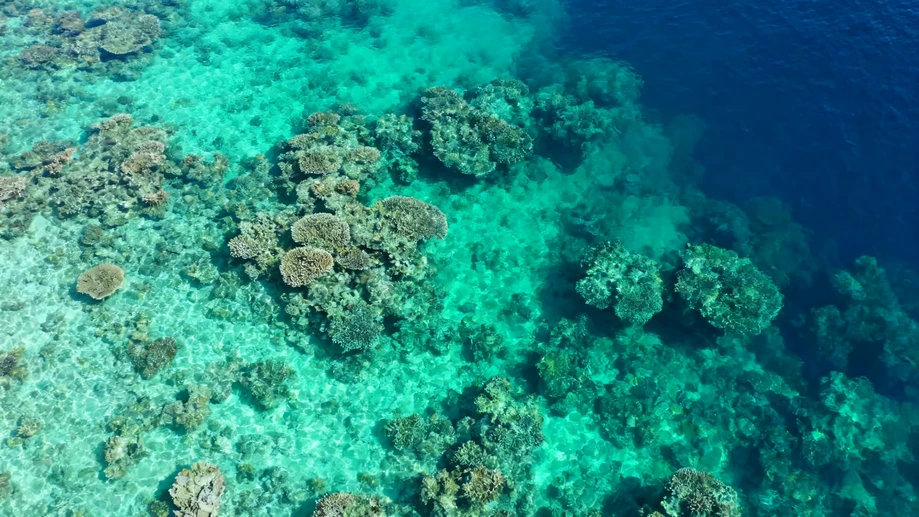
Sunlight fractures into liquid rainbows as you slip beneath the turquoise surface, entering a realm where time moves to the rhythm of the tides. The Great Barrier Reef isn't merely a destination; it's a living planet within our own, stretching over 2,300 kilometers along Australia's Queensland coast. From above, this natural masterpiece resembles brushstrokes of jade and sapphire across the Coral Sea, so vast that astronauts spot its intricate patterns from orbit. What appears as abstract art from space transforms into a bustling city of coral skyscrapers up close, each structure teeming with creatures that defy imagination. Here, silence speaks louder than words, broken only by the crackle of parrotfish nibbling on coral and the distant song of humpback whales during migration season.
Descending deeper reveals nature's most intricate architecture. Brain corals the size of boulders form labyrinthine passageways, while delicate staghorn corals stretch toward the sunlit surface like antlers made of stone. Suddenly, movement! A neon-blue damselfish darts into an anemone's stinging embrace, immune to its venom. Nearby, a green sea turtle glides past with prehistoric grace, its flippers pushing water with effortless power. The reef operates on ancient schedules – giant clams yawn open at dawn to feed, their iridescent mantles shimmering like liquid gemstones, while nocturnal octopuses begin stirring in coral crevices as daylight fades. This ecosystem thrives on relationships older than human civilization: cleaner shrimp set up stations on coral outcrops, picking parasites off cooperative groupers who line up patiently for their turn.
Few realize this underwater kingdom consists of nearly 3,000 individual reef systems and 900 islands, a staggering complexity formed over millennia. Coral polyps smaller than rice grains built this metropolis one calcium carbonate skeleton at a time, their slow construction visible only through time-lapse perspectives spanning centuries. The reef's true magic lies in its biodiversity – hosting one-third of Earth's soft coral species, six of seven marine turtle species, and over 1,600 fish species from thumbnail-sized gobies to three-meter-long potato cods. During winter months, dwarf minke whales arrive like clockwork, curiously approaching dive boats while reef sharks patrol deeper drop-offs. Even the coral itself participates in synchronized reproduction, releasing billions of eggs and sperm in annual mass spawning events that turn the ocean into an inverted snow globe.
Yet this vibrant world faces invisible threats. Rising ocean temperatures cause coral bleaching events where stressed polyps expel their colorful algae partners, leaving ghostly white skeletons beneath the waves. Conservation efforts now blend ancient wisdom with modern technology – marine park rangers monitor reef health using satellite imaging while traditional owners share cultural knowledge of seasonal patterns. Visitors become citizen scientists through eco-tourism programs, recording fish sightings that help track species migration. The delicate balance requires mindful exploration; responsible operators teach buoyancy control to prevent accidental coral damage and enforce strict no-touch policies. Solar-powered research stations dot the islands, where biologists work tirelessly to cultivate resilient coral varieties in underwater nurseries.
Experiencing the reef transcends typical tourism; it's sensory immersion in a primordial world. Snorkelers float above coral gardens in shallow lagoons, their masks filled with Picasso triggerfish and swirling baitballs. Adventurous divers explore the Ribbon Reefs' vertical walls where manta rays somersault through cleaning stations, or drift along the Coral Sea's swift currents. For those preferring dry land, guided walks on low-tide reef flats reveal starfish and sea cucumbers in temporary rock pools. Helicopter tours offer perspective-shifting views of Heart Reef's natural formation and the reef's impossible scale. As sunset paints the sky coral-pink, the ocean's surface ripples with the exhalations of dugongs – shy sea cows grazing on seagrass meadows in waters that have sustained life since before the first human footsteps touched Australian shores.