
Have You Ever Felt the Grand Canyon's Breath?
Standing on the edge of this immense natural wonder reveals layers of time, color, and profound silence that humbles the soul.
My first encounter with the Grand Canyon wasn't through a postcard or a documentary; it was a visceral shock to the system. Stepping onto the South Rim near Mather Point after hours of driving through Arizona's high desert, the ground simply fell away. It wasn't just a view; it was an overwhelming presence. The sheer scale defied comprehension – a chasm so vast it seemed to swallow sound and distance whole. That initial moment of vertigo mixed with awe is a universal experience here, a silent gasp shared by millions who make the pilgrimage. The air felt different, crisp and ancient, carrying whispers of epochs long vanished.
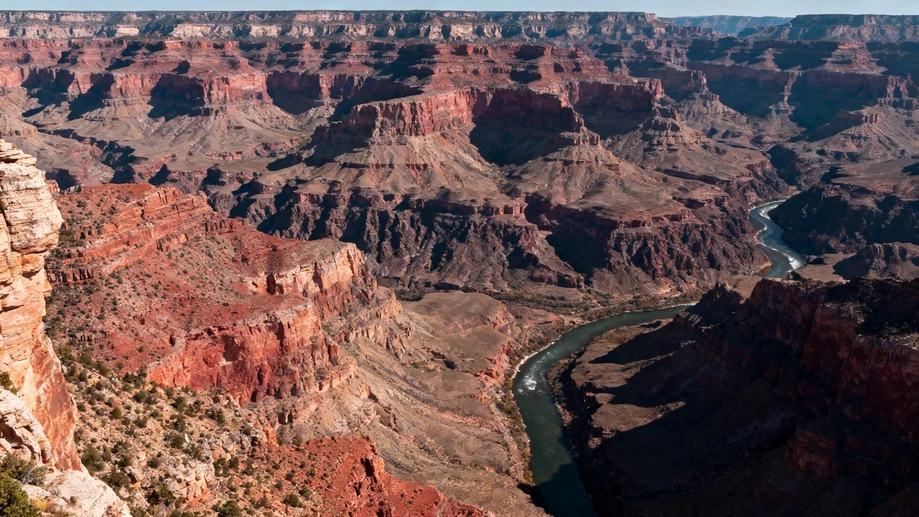
This isn't merely a big ditch. It’s Earth’s autobiography etched onto stone. The canyon walls are a staggering geological timeline, exposing nearly two billion years of the planet's history in vibrant, horizontal stripes. Look closely: the rusty reds of the Hermit Shale, the pale greens of the Bright Angel Shale, the deep chocolate of the Vishnu Schist at the very bottom near the relentless Colorado River. Each layer tells a story of ancient seas, shifting deserts, and titanic uplifts. A fascinating tidbit often overlooked? While the rocks themselves are incredibly ancient, the canyon as we see it is a relatively young feature, carved primarily by the Colorado River in just the last five to six million years – a blink in geological time. The river continues its patient work, grinding down rock grain by grain.
To truly know the Grand Canyon, you must descend into its embrace. Hiking trails like the popular Bright Angel Trail or the steeper South Kaibab offer journeys into another world. As you switchback down, the temperature rises, the vegetation changes from ponderosa pines to desert scrub, and the perspective shifts dramatically. The towering rim recedes, replaced by intimate side canyons, hidden waterfalls after rain, and the ever-present roar of the river growing louder. Mule trains carrying visitors add a touch of Old West nostalgia to the dusty paths. Reaching the bottom, especially the oasis of Phantom Ranch, feels like arriving on another planet, surrounded by the sheer, soaring walls that block out the modern world above.
Yet, perhaps the canyon's most transcendent magic unfolds at dawn and dusk. As the sun arcs across the sky, it performs an alchemy on the rock faces. What appeared as stark cliffs in midday sun transform into canvases of fire. Deep oranges, molten golds, intense purples, and soft pinks dance across the buttes and temples, changing minute by minute. Finding a quiet spot along the rim as the day fades, watching the shadows deepen and the stars begin to pierce the darkening blue, offers a profound sense of peace and perspective. The immense silence, broken only by the distant wind or a raven's call, underscores our small place in a vast, ancient, and breathtakingly beautiful world. The Grand Canyon doesn’t just show you scenery; it makes you feel the weight of time and the enduring power of nature.