
Barcelona's Secret: How an Ancient Market Holds the Key to Catalan Culture
Editorial Team
VerifiedSenior Correspondent
Barcelona's Secret: How an Ancient Market Holds the Key to Catalan Culture
Beyond Gaudí's masterpieces lies the heartbeat of the city in a 800-year-old food market
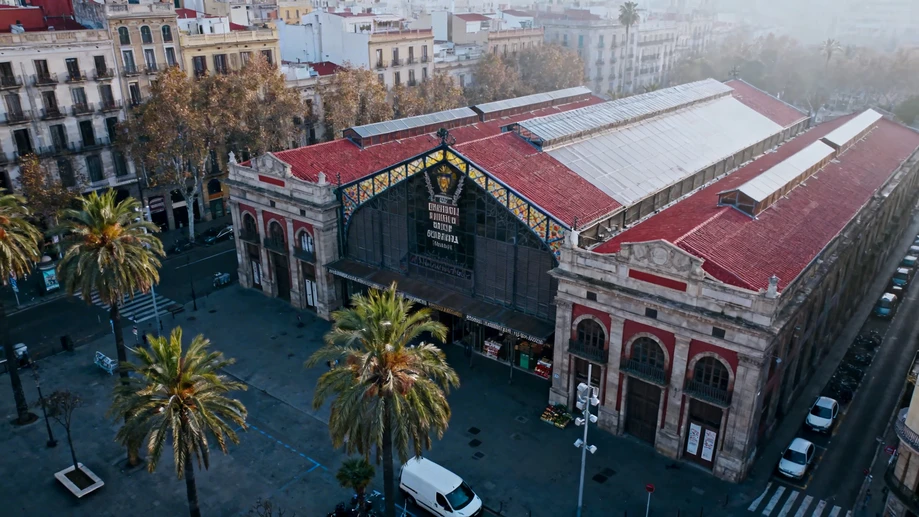
Step off Barcelona's bustling Las Ramblas, and almost instantly, you enter a sensory world of vibrant chaos. La Boqueria Market isn't just a place to buy groceries; it's a living museum, a symphony of sound, scent, and color, and arguably the true soul of Barcelona. Forget the notion of a mundane chore; visiting La Boqueria is an immersive cultural performance. Stallholders call out specials in rapid Catalan, their voices rising above the clatter of knives and chatter of locals huddled over tiny counters. Towering pyramids of exotic fruits glow like jewels – velvety cherimoya, spiky dragon fruit, and ruby-red pomegranates compete for attention alongside the ubiquitous, perfectly ripe tomatoes that form the base of Catalan culinary life. The scent of salty Iberian ham mingles with the briny tang of fresh seafood piled high on ice, and earthy notes of mushrooms and truffles drift from dedicated stalls.
The magic, however, lies not just in observation but in participation. This is where the concept of "vermut" comes alive – the beloved Catalan tradition of a pre-lunch drink and snack. Don't just wander aimlessly. Find a spot at the counter of one of the market's tiny tapas bars tucked away amidst the stalls. Order a glass of crisp local vermut, perhaps garnished with an olive and a slice of orange. Then, point to something intriguing: paper-thin slices of glistening jamón ibérico draped over crusty bread, golden croquetas oozing creamy béchamel and ham, or maybe a small plate of razor clams sautéed with garlic and parsley. Watching the skilled cooks work their tiny grills and flattops with practiced efficiency, surrounded by the market's vibrant energy, is an experience no grand restaurant can replicate. It’s authentic, intense, and utterly delicious.
Venturing beyond La Boqueria reveals the authentic pulse of the surrounding Raval and Gothic Quarter neighbourhoods. Narrow, winding medieval streets open unexpectedly into sun-dappled squares like Plaça Reial or Plaça Sant Felip Neri, the latter bearing the subtle scars of history on its walls. This is where you find small, family-run bodegas serving hearty Catalan stews or simple but perfect plates of grilled sardines, not menus translated into five languages. It's where locals gather for "la sobremesa," lingering conversation after a meal. Intricate mosaics known as "trencadís," a technique perfected by Gaudí using broken ceramic pieces, often decorate unexpected corners of building facades or park benches in these older districts, adding artistic whimsy to the historic fabric.
A fascinating little culinary secret binds the market's bounty to the Catalan table: the ubiquitous "pa amb tomàquet." This simple grilled bread rubbed with ripe tomato, garlic (optional, but encouraged!), and drizzled with olive oil and salt, is the foundation of countless meals. While variations exist throughout Spain and the Mediterranean, the Catalan version is distinct. Its origins are rustic – a clever method to soften stale bread. But the specific type of locally grown, flavour-packed tomatoes used, often those gleaming mounds seen at La Boqueria, combined with high-quality Catalan olive oil, elevates it to an essential, cherished element of identity. It’s a testament to how Catalan cuisine turns simplicity into perfection.
Forget trying to see everything; Barcelona rewards the curious wanderer. Spend less time queuing and more time exploring the labyrinthine alleys. Discover a tiny shop selling traditional Catalan baskets, stumble upon a hidden courtyard filled with bougainvillea, or find a small bakery making the perfect "ensaimada" (a spiral-shaped pastry). The city’s layers peel back slowly, revealing neighbourhood secrets like the vibrant street art in Poblenou or the panoramic views from the bunkers of Carmel. Walk along the harbourfront in Barceloneta, not just for the beach, but to see the traditional "golondrinas" boats bobbing gently.
Experiencing Barcelona truly means embracing its rhythms. Start late, linger over meals, embrace the evening paseo (stroll), and let the energy of places like La Boqueria seep in. It’s a city where ancient traditions thrive amidst modern vibrancy, where the past is palpable in the stones of the Gothic Quarter and the flavours of the market. The real treasure isn’t just in the iconic sights – it’s discovering the enduring spirit, the passionate embrace of life, food, and community, centred around places like the beating heart of La Boqueria. Understanding this pulse transforms a visit into a connection with the soul of Catalonia.