
Asakusa Temple Invites You to Step Back in Time Amid Tokyo's Bustle
Uncover the rich tapestry of history, spiritual serenity, and lively traditions at this ancient Buddhist sanctuary in the heart of Japan's capital city.
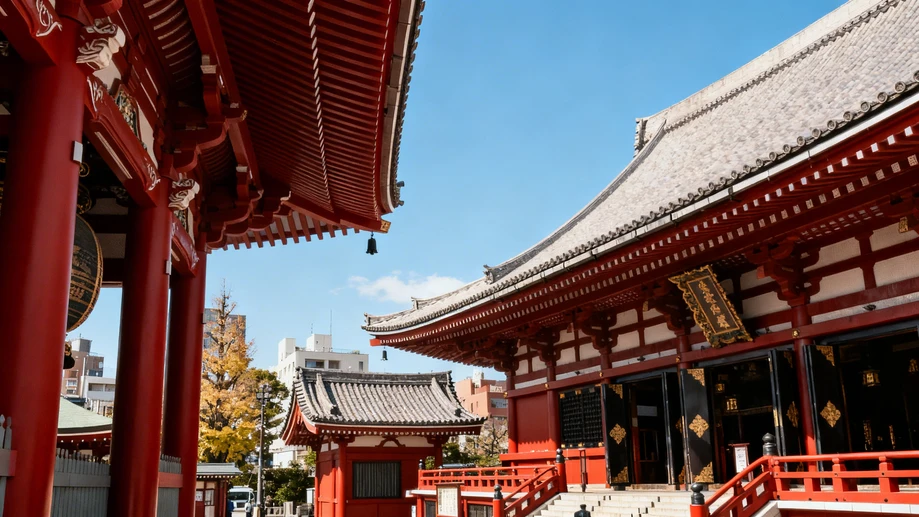
Nestled in the vibrant district of Asakusa, Senso-ji Temple stands as a beacon of tranquility amidst Tokyo's relentless energy, drawing millions of visitors each year with its iconic red gates and timeless allure. As you approach through the bustling streets, the contrast is striking: the modern skyscrapers fade into the background, replaced by the grandeur of the Kaminarimon Gate, its massive paper lantern swaying gently in the breeze. This entrance, adorned with intricate carvings, serves as a portal to another era, where the scent of incense mingles with the hum of the city, creating an atmosphere that is both exhilarating and deeply calming. For first-time travelers, the experience is nothing short of magical, as the temple grounds unfold like a storybook, inviting exploration and reflection. Yet, beyond its visual splendor, Asakusa Temple offers a profound connection to Japan's cultural roots, making it a must-visit for anyone seeking to understand the soul of Tokyo.
Delving into the temple's history reveals layers of resilience and rebirth, dating back to the 7th century when it was founded to honor the goddess Kannon. According to legend, two fishermen discovered a sacred statue in the nearby Sumida River, sparking the construction of this spiritual haven. Over centuries, fires and wars have tested its endurance, but each reconstruction has only strengthened its significance, with the current main hall standing as a testament to Edo-period architecture. A fascinating tidbit often overlooked is the giant lantern at Kaminarimon; weighing over 700 kilograms, it is one of Japan's largest paper lanterns, crafted meticulously by artisans who use traditional methods passed down for generations. This lantern, known as the "Thunder Gate Lantern," symbolizes protection and prosperity, and its vibrant red hue is repainted annually to maintain its vivid presence. Such details highlight how the temple seamlessly blends myth with reality, offering visitors not just a sight to see, but a narrative to absorb. As you wander through the Nakamise-dori shopping street that leads to the temple, the echoes of history resonate in every step, reminding you that this is a place where time stands still.
Transitioning from historical marvels to personal engagement, the temple invites active participation in its living traditions, creating moments that feel both intimate and universal. Upon entering the main courtyard, visitors are encouraged to purify themselves at the chozuya water pavilion, a ritual that involves washing hands and mouth to cleanse the spirit before prayer. Inside the Hondo main hall, the air is thick with devotion as worshippers offer coins and bow before the golden statue of Kannon, while others try their luck with omikuji fortune slips—a practice that adds an element of playful anticipation. Drawing a slip reveals poetic predictions, ranging from great blessings to minor warnings, and many tie unfavorable ones to designated racks, symbolically leaving bad luck behind. This interactive aspect fosters a sense of community, as people from all walks of life share smiles and stories, united by a common quest for meaning. Moreover, the temple hosts seasonal festivals like Sanja Matsuri, where lively parades and traditional performances transform the grounds into a carnival of color and sound, embodying the dynamic spirit of Japanese culture. Such experiences ensure that a visit here is not merely observational but deeply immersive, bridging the gap between ancient rituals and modern curiosity.
Beyond the spiritual core, the surrounding Asakusa area amplifies the adventure with its eclectic blend of old-world charm and contemporary delights, making it a microcosm of Tokyo's diverse appeal. The Nakamise-dori market, stretching from Kaminarimon to the temple, is a sensory feast, lined with stalls selling everything from handcrafted souvenirs like wooden kokeshi dolls to delectable street food such as ningyo-yaki (sweet bean cakes shaped like dolls). Sampling these treats while chatting with friendly vendors adds a layer of authenticity, as the aromas of grilled mochi and fresh matcha tea mingle with the chatter of excited tourists. Nearby, the Asakusa Culture and Tourist Center provides panoramic views from its observation deck, offering a bird's-eye perspective of the temple complex against the city skyline—a perfect spot for reflection. For those seeking quieter moments, the temple gardens offer serene pathways shaded by ancient trees, where the only sounds are the rustling leaves and distant temple bells. This juxtaposition of hustle and harmony ensures that every visitor finds their own rhythm, whether indulging in retail therapy or seeking solace in nature. Indeed, the area's ability to cater to diverse interests underscores its role as a cultural hub, where the past and present coexist in delightful harmony.
In conclusion, Asakusa Temple transcends its role as a mere tourist attraction, emerging as a profound journey into Japan's heart and soul, where every element—from the grand architecture to the smallest ritual—invites personal discovery and lasting memories. Its enduring appeal lies in its ability to offer respite from urban chaos while celebrating the vibrancy of human connection, making it a timeless destination that resonates long after departure. Whether you're a history buff, a spiritual seeker, or simply a curious traveler, this sanctuary promises an enriching escape that captures the essence of Tokyo in all its complexity. As the sun sets, casting golden hues over the temple roofs, you'll find yourself reflecting on the layers of stories embedded within these walls, realizing that true travel is not about ticking off sights but about embracing the moments that transform us. So, step through the gates, breathe in the history, and let Asakusa Temple guide you on a journey that is as unforgettable as it is inspiring.