
Step Into the Timeless Halls of the Louvre Museum Where Art and History Collide
Embark on a captivating journey through the Louvre uncovering hidden treasures and fascinating stories that bring centuries of culture to life
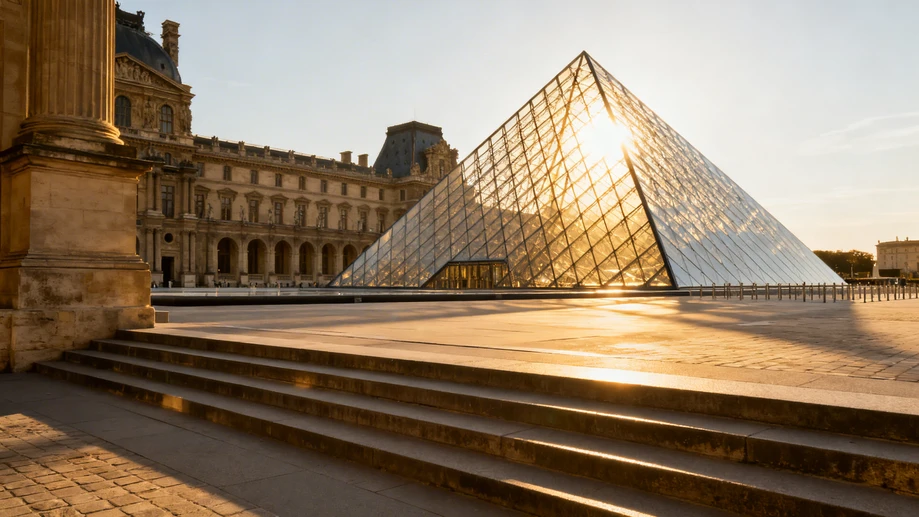
Imagine standing before the iconic glass pyramid, bathed in the soft glow of Parisian sunlight, as you prepare to enter one of the world's most renowned museums. The Louvre isn't just a building; it's a gateway to human creativity, housing over 380,000 objects that span from ancient civilizations to modern masterpieces. As you step inside, the sheer scale overwhelms—a labyrinth of galleries where every corner whispers tales of emperors, artists, and revolutions. This isn't merely a visit; it's an adventure that promises to ignite your curiosity and leave you awestruck by the sheer diversity of human expression. From the moment you arrive, the energy is palpable, drawing you into a world where art transcends time, inviting you to explore its depths with fresh eyes and an open heart.
Transitioning from the bustling entrance to the quieter halls, the museum's rich history unfolds like a well-worn tapestry. Built as a fortress in the late 12th century under King Philip II, the Louvre evolved over centuries into a royal palace before transforming into a public museum during the French Revolution. This metamorphosis reflects humanity's enduring quest for knowledge and beauty, turning a symbol of power into a sanctuary for all. As you wander through the Sully Wing, remnants of the medieval moat and walls emerge, offering a tangible link to its martial past. Yet, it's the Renaissance additions, like the grand staircases and ornate ceilings, that truly showcase its regal heritage. This seamless blend of eras creates a unique atmosphere, where ancient stones echo with the footsteps of millions who've come to seek inspiration, making the Louvre not just a collection of artifacts but a living chronicle of civilization's evolution.
Moving deeper into the galleries, the art itself takes center stage, with masterpieces that have shaped global culture awaiting your discovery. The Mona Lisa, Leonardo da Vinci's enigmatic smile, draws crowds for good reason—its subtle details and mysterious aura captivate even the most casual observer. Nearby, the Venus de Milo stands as a testament to Hellenistic grace, her missing arms only adding to her timeless allure. But beyond these icons lie lesser-known gems, such as the Code of Hammurabi, an ancient Babylonian stele that pioneered legal systems, or Eugène Delacroix's Liberty Leading the People, a stirring depiction of revolutionary fervor. Each piece tells a story, inviting you to ponder the artists' intentions and the eras they represent. As you navigate the Denon Wing, the sheer variety—from Egyptian sarcophagi to Impressionist paintings—ensures that every turn offers a new revelation, transforming your stroll into a personal dialogue with history's greatest minds.
Building on this immersive experience, practical insights can elevate your visit from overwhelming to unforgettable. Start early to avoid the midday throngs, or consider a late-afternoon entry when the light filters beautifully through the windows, casting golden hues on marble statues. Use the museum's free map app to chart a course based on your interests—perhaps focusing on Islamic art or the Napoleon III apartments—to prevent fatigue in the vast 72,735-square-meter space. Pause at the café near the Richelieu Wing for a coffee break, where you can reflect on the art while soaking in views of the Cour Carrée. This strategic approach not only saves time but deepens your connection to the exhibits, allowing moments of quiet contemplation amid the grandeur. Remember, the Louvre rewards patience; linger over a single sculpture or painting to uncover layers of meaning, turning a simple tour into a profound personal journey that lingers long after you depart.
Concluding this exploration, a fascinating tidbit adds an extra layer of wonder: did you know that the Louvre's collection includes artifacts salvaged from shipwrecks, like the Antikythera mechanism, an ancient Greek analog computer? This small revelation underscores the museum's role as a guardian of global heritage, preserving objects that bridge millennia. As you exit, the sense of accomplishment is immense—you've not only witnessed art but participated in a timeless narrative. The Louvre remains a beacon of cultural unity, urging visitors to return and discover more. So, whether you're a first-timer or a seasoned admirer, let this adventure inspire your next foray into the world's artistic treasures, where every visit promises new insights and enduring memories.